World · India Bureau
Delhi smog arrives early as pollution peaks ahead of winter season
Smog has blanketed Delhi-NCR a full ten days earlier than anticipated, driven by temperature inversions, weak winds, and early crop burning. The implementation of the Graded Response Action Plan (GRAP) is not scheduled until November 1st, leaving the region vulnerable to worsening air quality.
LSN India ·
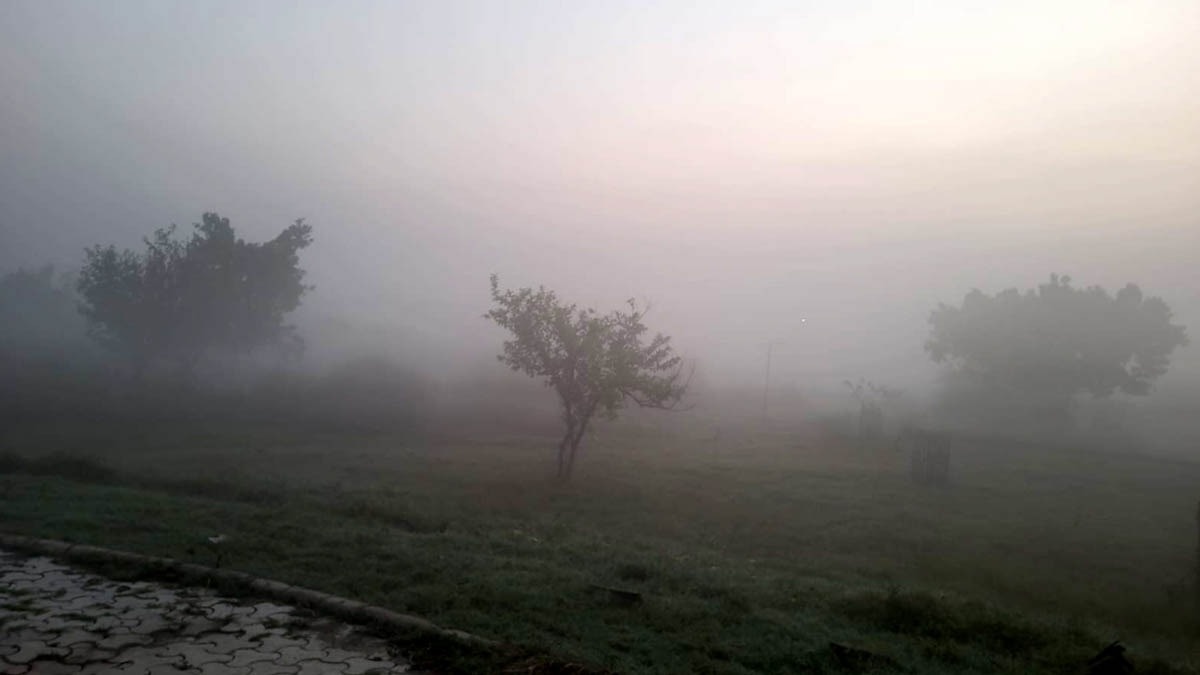
Air quality has deteriorated sharply across the Delhi-National Capital Region following Diwali celebrations, with thick smog settling over the region nearly a week and a half ahead of typical seasonal patterns. The premature onset has caught authorities working against the calendar as mitigation measures remain unofficial until the formal trigger date of November 1st.
Meteorological conditions have converged to create a perfect storm for pollution accumulation. Temperature inversions—where warm air traps cooler layers below—are preventing pollutants from dispersing upward into the atmosphere. Simultaneously, weak wind speeds have failed to clear accumulated emissions from the region, while local traffic and industrial sources continue to contribute to the haze.
Crop stubble burning in neighboring Punjab and Haryana has commenced earlier than expected this year, adding significant particulate matter to the already stagnant air mass. These agricultural fires, traditionally intensifying in November, are now compounding the problem weeks ahead of schedule.
Despite the deteriorating conditions, the Delhi government's formal Graded Response Action Plan—which escalates pollution control measures based on air quality indices—will not activate until November 1st. The delay has raised concerns about preparedness as residents face hazardous air quality levels in the interim, potentially affecting public health and outdoor activities across the capital region.