World · India Bureau
Delhi voters face document ordeal to prove electoral eligibility
Long-time voters across Delhi are being forced to produce extensive documentation at Systematic Voters' Roll Revision centres to retain their voting rights. The process, marked by confusion and lengthy queues, is placing an disproportionate burden on marginalized communities.
LSN India ·
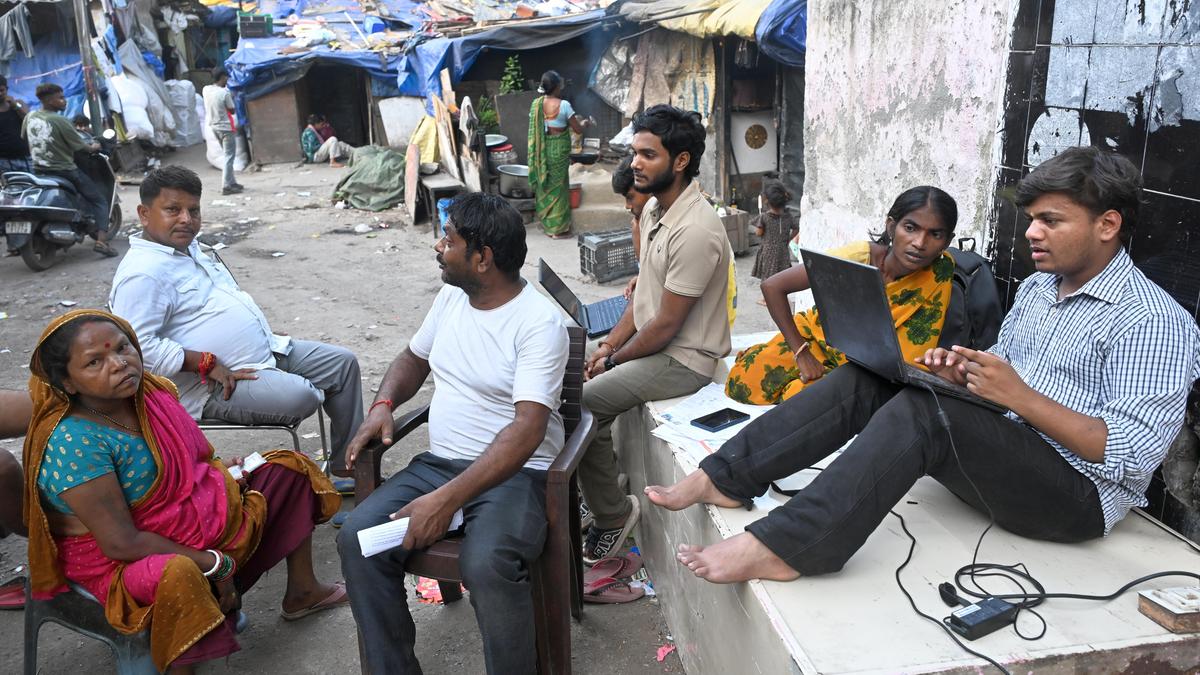
Residents of the national capital are enduring repeated visits to Systematic Voters' Roll Revision (SIR) hearing centres, armed with documentation to prove voting eligibility despite many having exercised their franchise for years. The verification process has left citizens waiting for extended periods, navigating bureaucratic procedures designed to validate their credentials.
Interviews with affected voters and election officials reveal a system characterized by widespread confusion about requirements and procedures. Many citizens express frustration at being required to furnish proof of residence and identity, a requirement they argue is unnecessary given their voting history.
The implementation of the verification drive has exposed significant disparities in who faces the greatest obstacles. Citizens with limited access to formal documentation—typically from lower-income households and marginalized sections of society—encounter the most substantial barriers to retaining their voting rights. Those without readily available identity proofs or residence verification documents must invest considerable time and resources to satisfy administrative requirements.
Election officials acknowledge the challenges inherent in the process while defending the necessity of the revision exercise. The distinction between documented and undocumented voters has become starkly evident, with privileged sections of society navigating the system more easily than economically disadvantaged populations.