World · India Bureau
Delivery or Rideshare: Which Gig Work Offers Better Earnings for Indian Workers?
Both delivery partnerships and ride-hailing present distinct advantages and risks for gig workers in India. As some workers juggle both roles, experts say earnings potential depends largely on individual circumstances and preferences.
LSN India ·
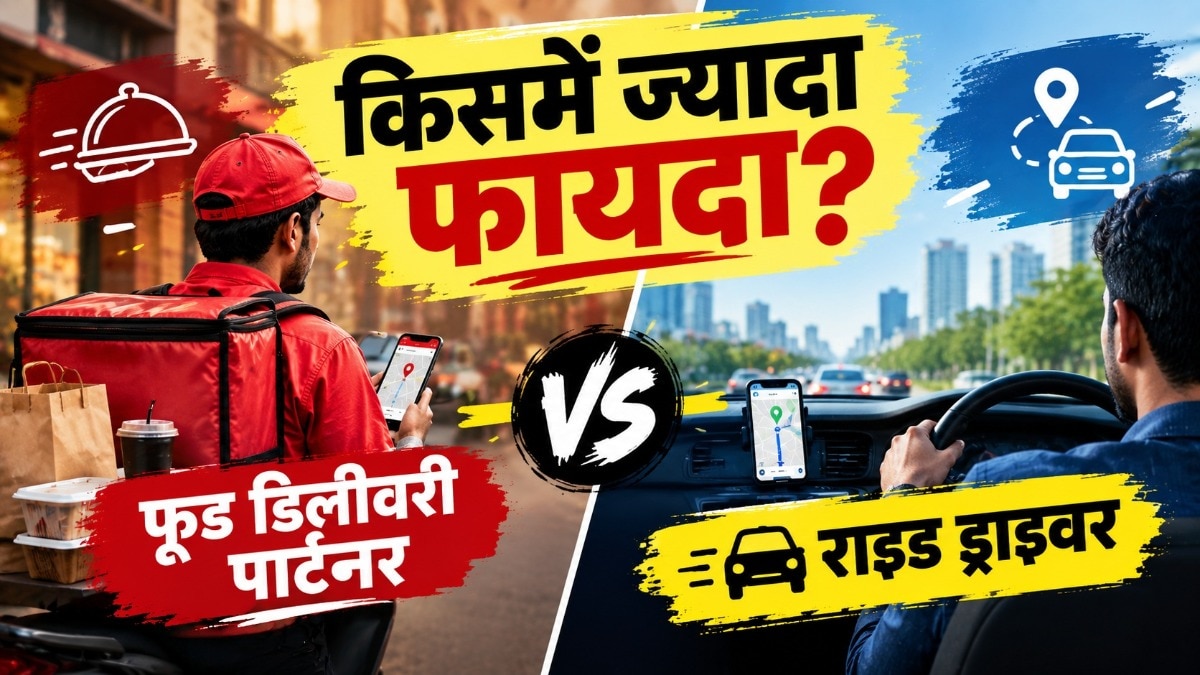
India's gig economy continues to expand with delivery and rideshare platforms offering flexible income opportunities for thousands of workers. However, the two sectors present markedly different risk-benefit profiles that prospective workers should carefully evaluate before committing their time and resources.
Delivery partners and ride-hailing drivers face distinct operational challenges. Delivery work typically involves managing multiple orders across varying distances and weather conditions, while rideshare driving centers on passenger management and route optimization. Each sector carries unique safety considerations, vehicle maintenance costs, and income volatility that directly impact take-home earnings.
A significant number of workers have adopted hybrid approaches, balancing both delivery and rideshare work to maximize income streams. This strategy allows them to leverage platform-specific peak hours—delivery tends to surge during meal times while rideshare sees demand spikes during commute hours and evenings. By diversifying across both sectors, workers can maintain steadier cash flow and reduce dependency on a single platform's algorithms or demand fluctuations.
Workers considering either path should evaluate their personal circumstances, including vehicle condition, time availability, risk tolerance, and local demand patterns. Those prioritizing scheduling flexibility may favor delivery work, while drivers seeking higher per-trip earnings often gravitate toward rideshare platforms. Some find the optimal solution lies in combining both opportunities strategically throughout their working week.