World · Singapore Bureau
Delivery riders weigh health risks as Southeast Asian haze intensifies
As air quality deteriorates across the region, food and parcel delivery workers face a difficult choice between protecting their health and maintaining earnings. Some are reducing working hours while others continue full schedules to maximise income.
LSN Singapore ·
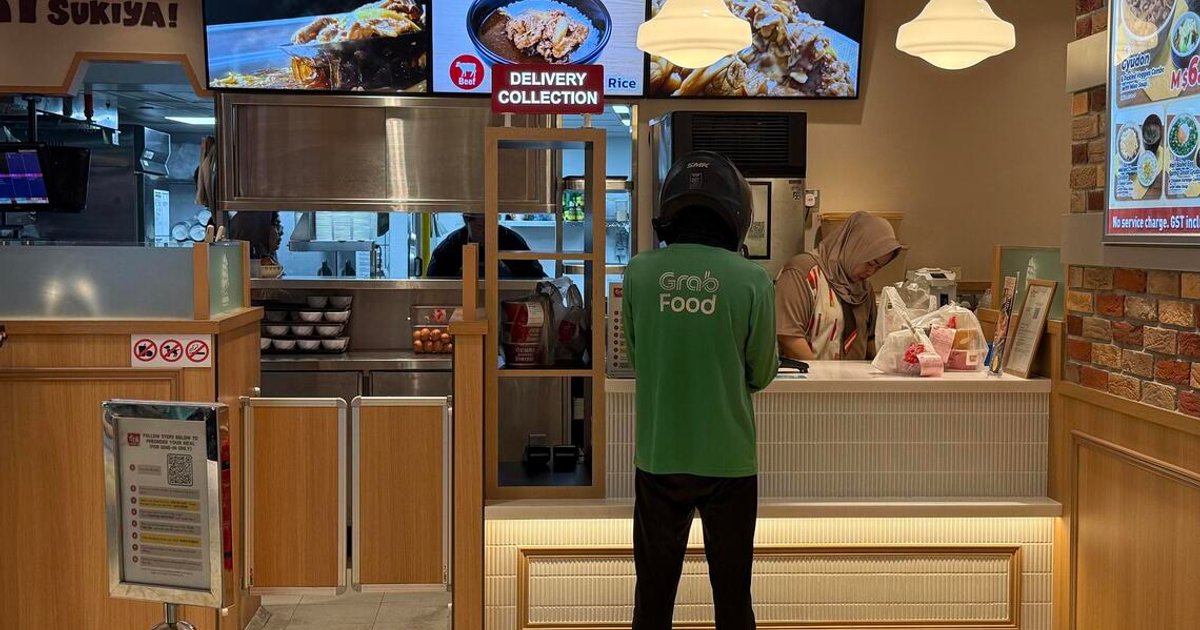
The worsening haze affecting South and Southeast Asia has prompted gig economy workers to reassess their working patterns, with delivery riders increasingly concerned about prolonged exposure to poor air quality. The decision divides the workforce, with health considerations pulling some towards reduced hours while financial pressures push others to maintain or even increase their deliveries.
Riders who have chosen to cut back cite respiratory concerns and the toll of working through hazardous conditions. The visibility of health risks—from breathing difficulties to longer-term lung exposure—has made the trade-offs of gig work more apparent during pollution episodes. For these workers, the calculus has shifted toward prioritising wellbeing over maximising daily earnings.
Conversely, many delivery riders continue operating at full capacity, viewing the haze as a temporary phenomenon and prioritising income stability. Without employment protections or paid leave typical of conventional jobs, the financial pressure to maintain earnings during poor air quality conditions remains significant for workers dependent on daily delivery commissions.
The situation underscores broader challenges facing gig economy workers across the region, who lack standard occupational health protections and must individually manage risks associated with environmental hazards. As seasonal haze episodes become increasingly common, delivery platforms face mounting pressure to implement health safeguards and support systems for their workers.