Politics · India Bureau
Democratic Congress control may offer modest benefits for India-US relations
A shift in US Congressional control could bring limited but meaningful advantages for India-US bilateral ties. A recent Supreme Court ruling limiting executive tariff powers may provide some stability for trade relations between the two nations.
LSN India ·
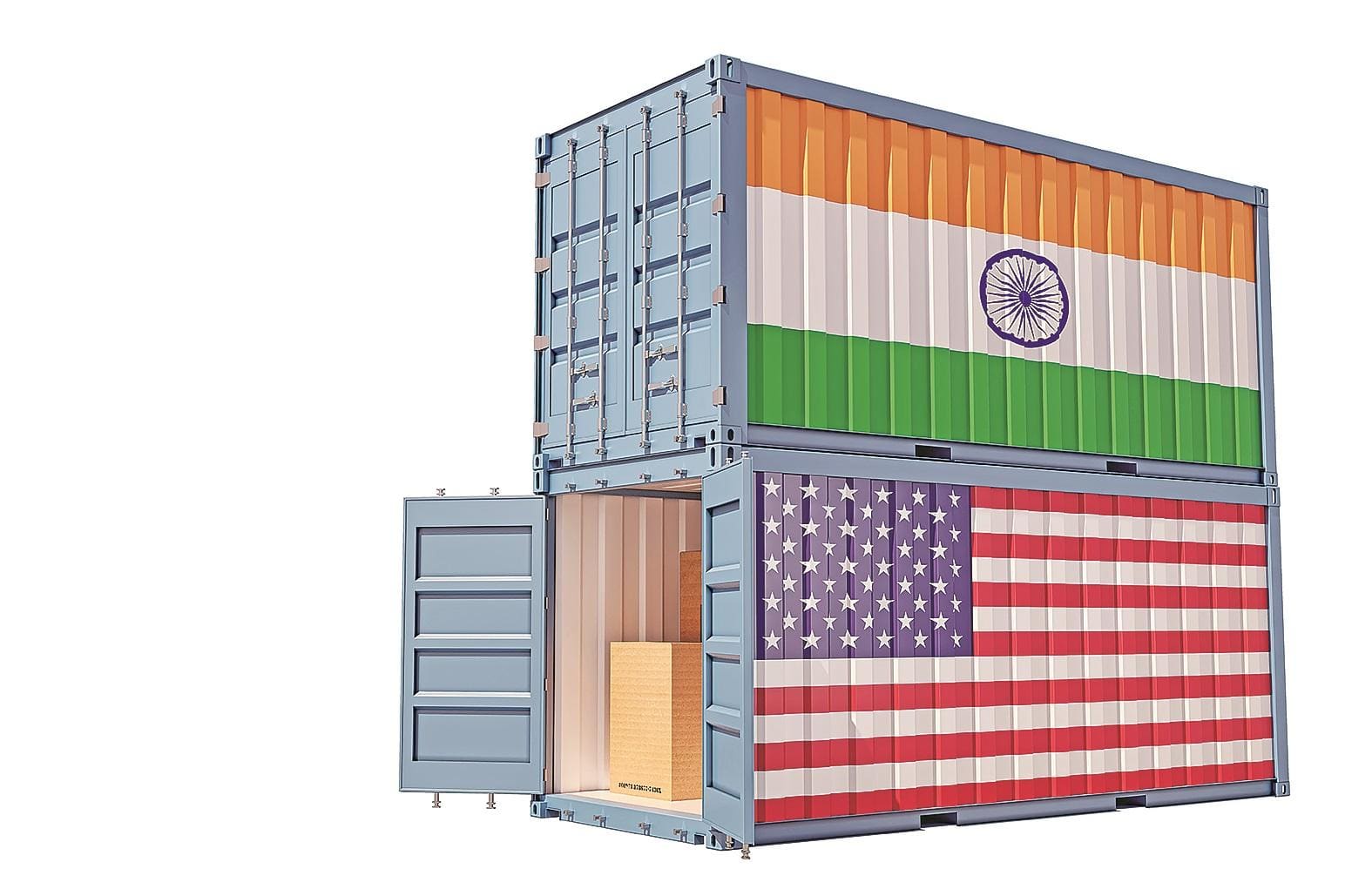
The assumption of Congressional control by Democrats in the United States may yield moderate gains for India-US relations, though significant structural challenges are likely to persist. Trade policy represents one area where Democrats may constrain unilateral executive action, following a February Supreme Court judgment that curtailed the President's authority to impose tariffs on trading partners through emergency powers.
The Supreme Court decision provides Democrats with legal precedent to challenge tariff impositions, potentially offering greater predictability in US trade policy toward India. This framework could reduce the risk of arbitrary tariff escalations that have periodically disrupted bilateral commerce and investment flows.
However, observers caution against expecting dramatic shifts in US-India relations under Democratic Congressional leadership. Both parties maintain bipartisan commitments to strategic competition with China and counterterrorism cooperation, areas central to the US-India partnership. Democratic priorities on climate change and labour standards may introduce new considerations into trade negotiations, though these need not fundamentally alter the trajectory of ties.
The practical impact of Congressional control will depend on how Democrats reconcile competing economic interests and global strategic objectives. India, as a significant technology and manufacturing partner, is unlikely to face the trade pressures experienced by other nations, though negotiations on specific sectors may become more complex.