Politics · World News Bureau
Democratic Congress Faces Trump Veto Power Despite Majority Control
With Democrats holding majorities in both chambers of Congress, analysts examine how presidential veto power could constrain their legislative agenda. The mathematical realities of supermajority requirements present significant obstacles to their ability to advance legislation.
LSN World News ·
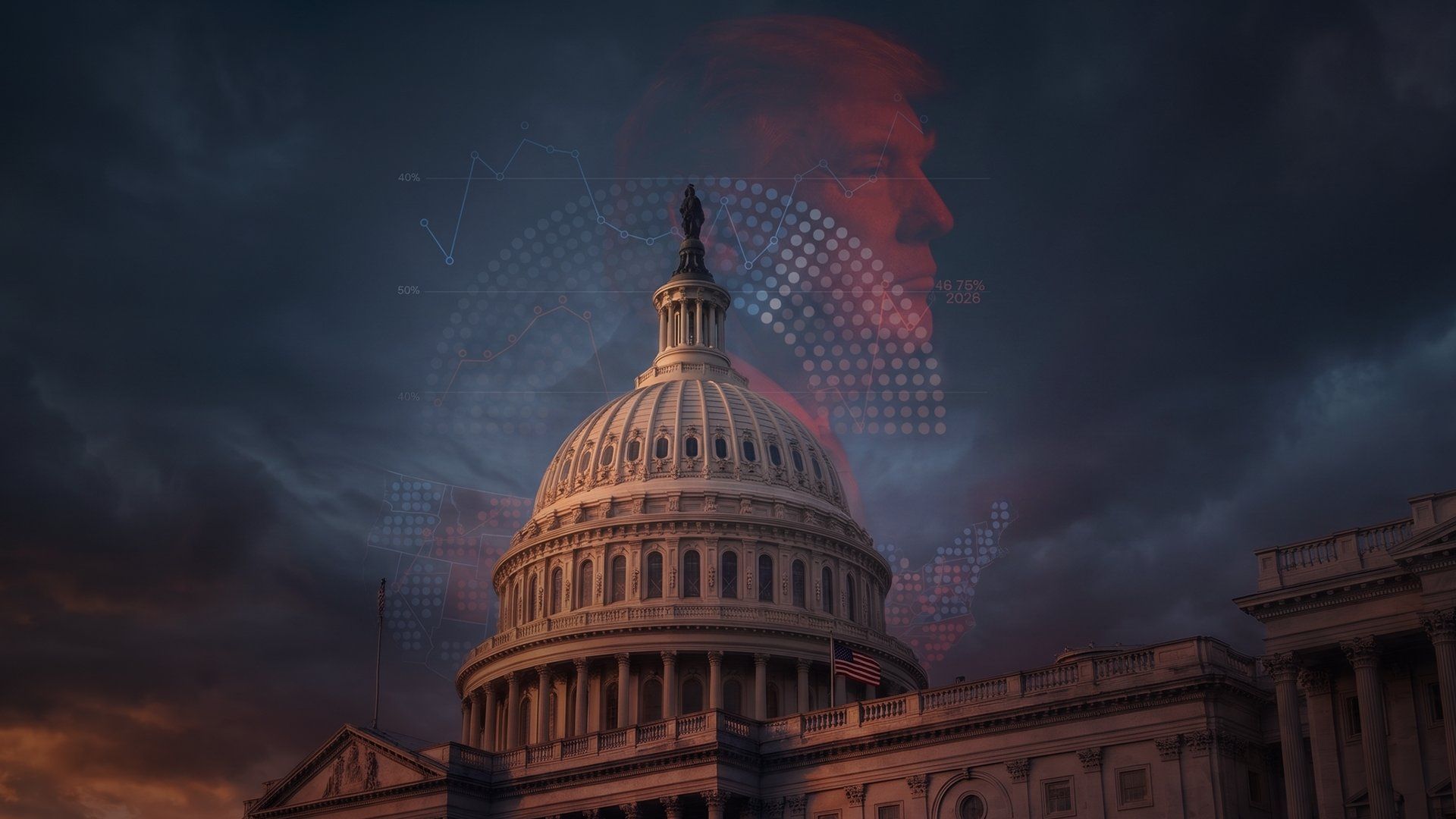
Democrats have secured control of both the House of Representatives and Senate, marking a shift in congressional power dynamics. However, political analysts note that their majorities face a fundamental structural constraint: the presidential veto and the supermajority threshold required to override it.
Under the U.S. Constitution, a president can veto legislation passed by Congress. Overriding that veto requires a two-thirds majority in both chambers—a considerably higher bar than the simple majority needed to pass bills initially. This means that even with their current numbers, Democrats would need to attract significant Republican support to advance controversial legislation against presidential opposition.
The arithmetic of the situation suggests that Democrats' legislative flexibility will depend heavily on the political calculations of moderate Republicans willing to cross party lines. Any major initiative Trump opposes would require either achieving near-unanimous Democratic support plus substantial Republican defections, or negotiating compromises acceptable to both parties.
Political observers emphasize that while Democratic majorities grant the party agenda-setting power and control over committee assignments, translating that into enacted law remains contingent on navigating these constitutional limitations. The dynamic underscores how separated powers and supermajority requirements continue to fragment authority in American governance.