Politics · India Bureau
Democratic consensus-building key to India's economic reform sustainability: VP
Vice-President C P Radhakrishnan has argued that India's democratic processes, while potentially slowing policy decisions, ultimately strengthen the durability of economic reforms. He cautioned, however, that growth benefits must be equitably distributed across all sections of society.
LSN India ·
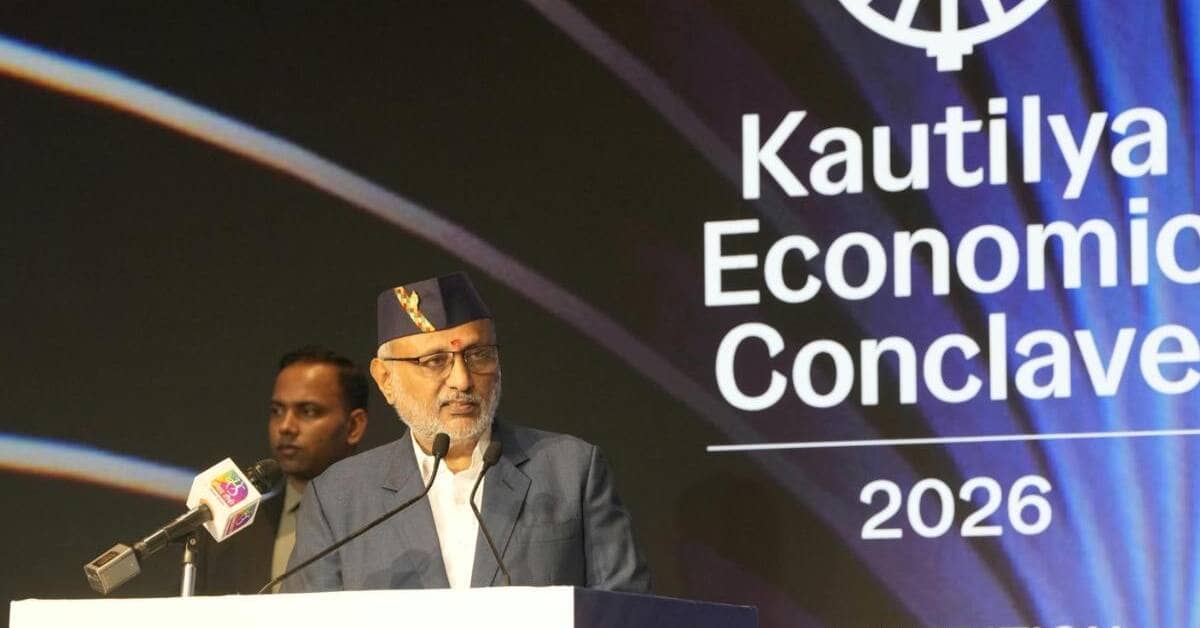
Vice-President C P Radhakrishnan has underscored the role of democratic consensus-building in anchoring India's economic reforms for long-term sustainability, even as it may occasionally slow the pace of decision-making.
Radhakrishnan argued that the inclusive nature of India's democratic system, which requires broad agreement across stakeholders and political actors, helps ensure that economic policies have deeper roots and stronger public acceptance. This consensus-driven approach, he suggested, makes reforms more resilient to shifting political circumstances and more likely to be maintained across successive administrations.
While acknowledging that consensus-building can sometimes lengthen the timeline for implementing reforms, Radhakrishnan maintained that the durability it provides justifies the deliberative process. He emphasized that India's experience demonstrates how democratic institutions can be compatible with meaningful economic transformation.
However, Radhakrishnan issued an important caveat, stressing that the benefits of economic growth must reach every segment of Indian society. Without equitable distribution of reform dividends, he implied, the social legitimacy and long-term viability of reform programmes could be undermined, regardless of their democratic origins.