Politics · Singapore Bureau
Democratic gains in US midterms raise questions over Trump's Asia policy
Japan and other US allies in the Asia-Pacific region are closely watching how former President Donald Trump will position himself following the Republicans' midterm performance, with significant implications for regional security arrangements.
LSN Singapore ·
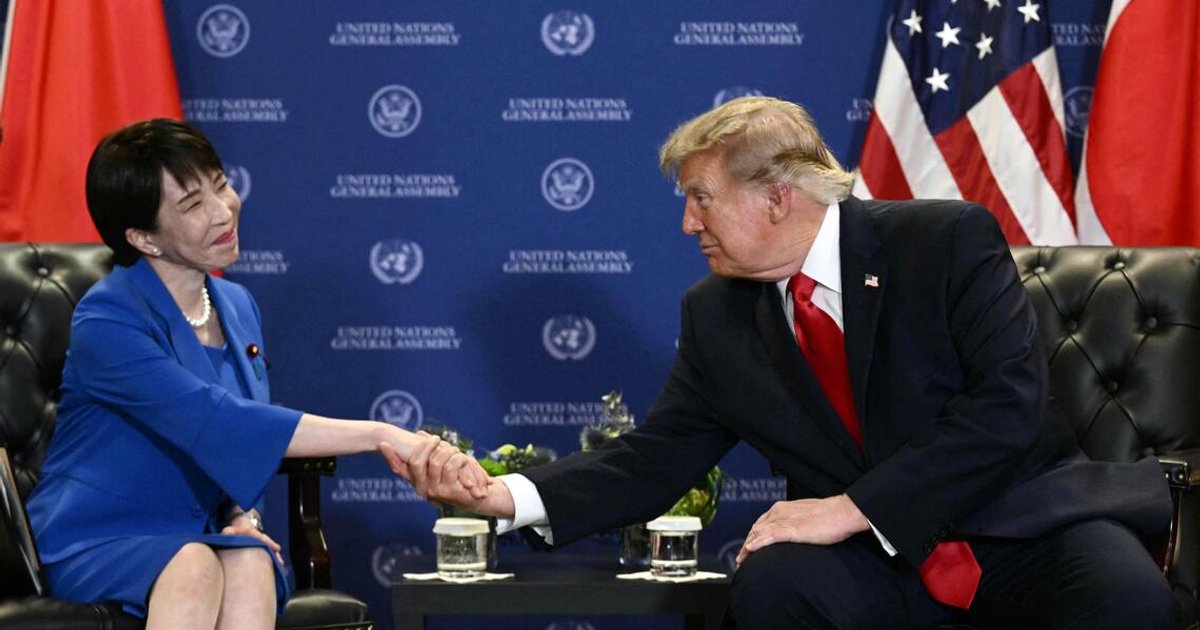
The mixed results for Republicans in the United States' midterm elections have left policymakers across Asia reassessing their strategic calculations regarding potential shifts in American foreign policy. While the GOP retained control of the House of Representatives, Democratic gains bucked historical trends of a sitting president's party suffering heavy losses, creating uncertainty about the political trajectory heading into 2024.
For Japan and other US treaty allies in the region, the election outcome carries particular weight given Trump's previous skepticism toward traditional security alliances and his transactional approach to international relationships. During his presidency, Trump repeatedly questioned the cost-benefit analysis of US military commitments abroad and pressured allies to increase defense spending contributions.
Regional analysts note that Trump's positioning within Republican politics remains influential despite not holding office. His continued prominence in the party could shape the Republican platform on Asia policy, potentially affecting long-standing defence treaties and burden-sharing arrangements that have underpinned regional stability since the Cold War.
Countries including Japan, South Korea, and the Philippines maintain close defence ties with the United States and face security pressures from China's growing assertiveness. Any recalibration of US commitment levels to regional security arrangements could force these nations to reconsider their defence strategies and geopolitical alignments. The coming months will be crucial in determining how Washington's political dynamics translate into concrete policy shifts affecting the Indo-Pacific region.