Politics · World News Bureau
Democratic gains limit Trump's ability to reshape US foreign policy
US President Donald Trump's ambitious foreign policy agenda faces renewed legislative scrutiny following Democratic gains in midterm elections. The opposition party's strengthened congressional position constrains the executive's unilateral diplomatic and military actions.
LSN World News ·
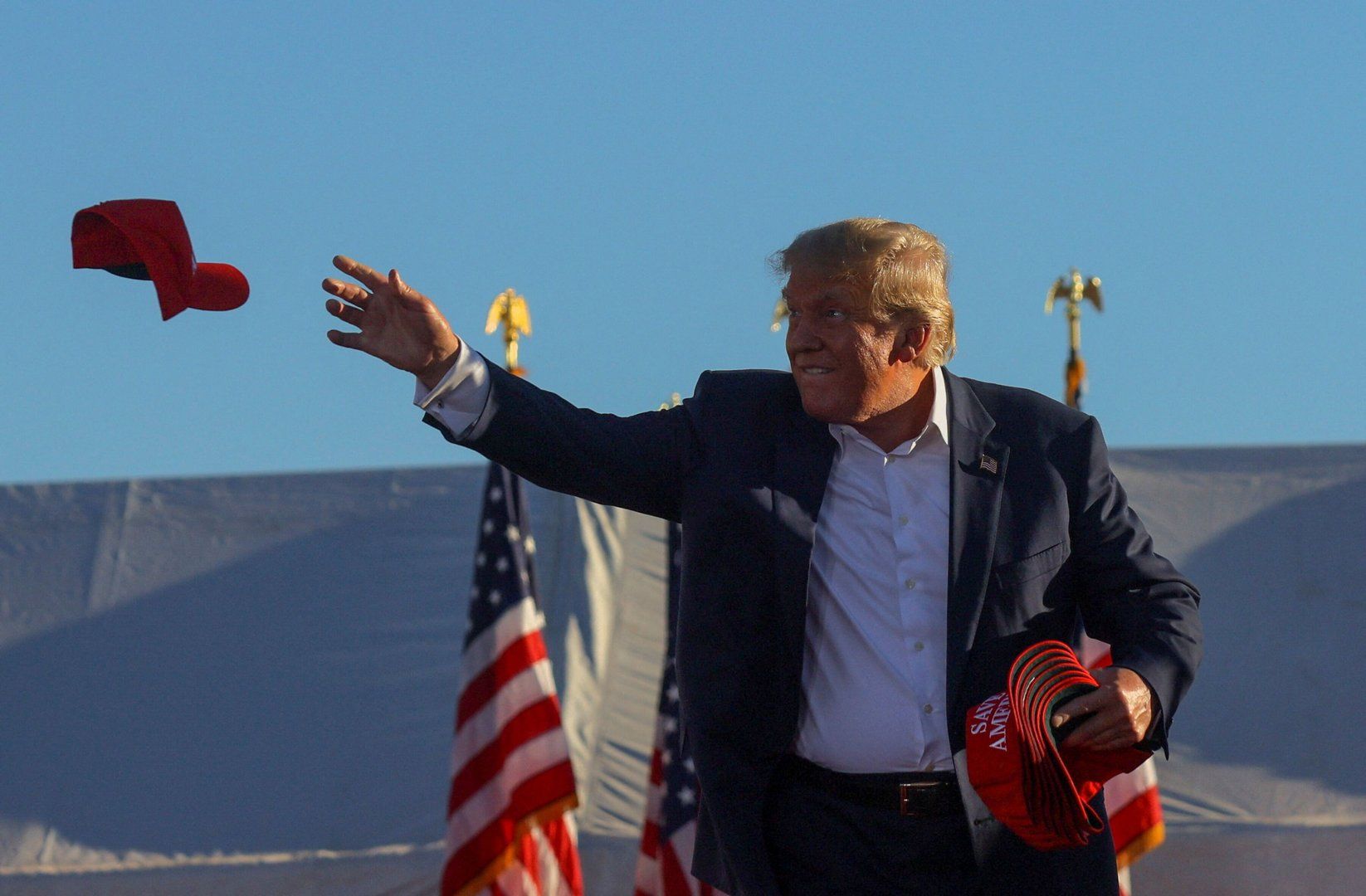
President Donald Trump's scope for reshaping American foreign policy has narrowed considerably following the midterm elections, which bolstered Democratic representation in Congress. The shift in the legislative balance reduces the administration's ability to pursue controversial international initiatives without facing meaningful institutional resistance.
Democratic lawmakers have signaled their intent to exercise greater oversight of executive foreign policy decisions. Key areas of potential conflict include trade agreements, military interventions, alliances with traditional partners, and engagement with rival powers. Congressional committees now possess the votes to challenge administration policies through hearings, investigations, and legislative restrictions on funding.
The constraints are particularly significant for unilateral executive actions that historically bypass legislative approval. Democrats have pledged to scrutinize military deployments, sanctions regimes, and diplomatic recognitions more rigorously than previously possible. This represents a structural obstacle to rapid policy implementation that characterized the earlier period of the Trump presidency.
Foreign policy experts note that the midterm outcome reinforces the constitutional principle of checks and balances. Legislative vetoes, budget controls, and treaty ratification requirements now present genuine hurdles to executive initiative. American allies and adversaries alike face a more complex negotiating environment as they calibrate responses to potential policy shifts subject to congressional review.
The practical effect is a period of reduced American foreign policy agility, with significant decisions requiring broader political consensus. This dynamic may extend beyond Trump's tenure, establishing precedent for increased congressional engagement in international affairs.