World · World News Bureau
Democratic Republic of Congo battles spiraling Ebola crisis as cases exceed 8,000
The Democratic Republic of Congo faces mounting challenges in controlling a major Ebola outbreak, with confirmed cases surpassing 8,000 and nearly 4,000 deaths reported. Health authorities struggle against community resistance and a strain showing reduced vaccine effectiveness.
LSN World News ·
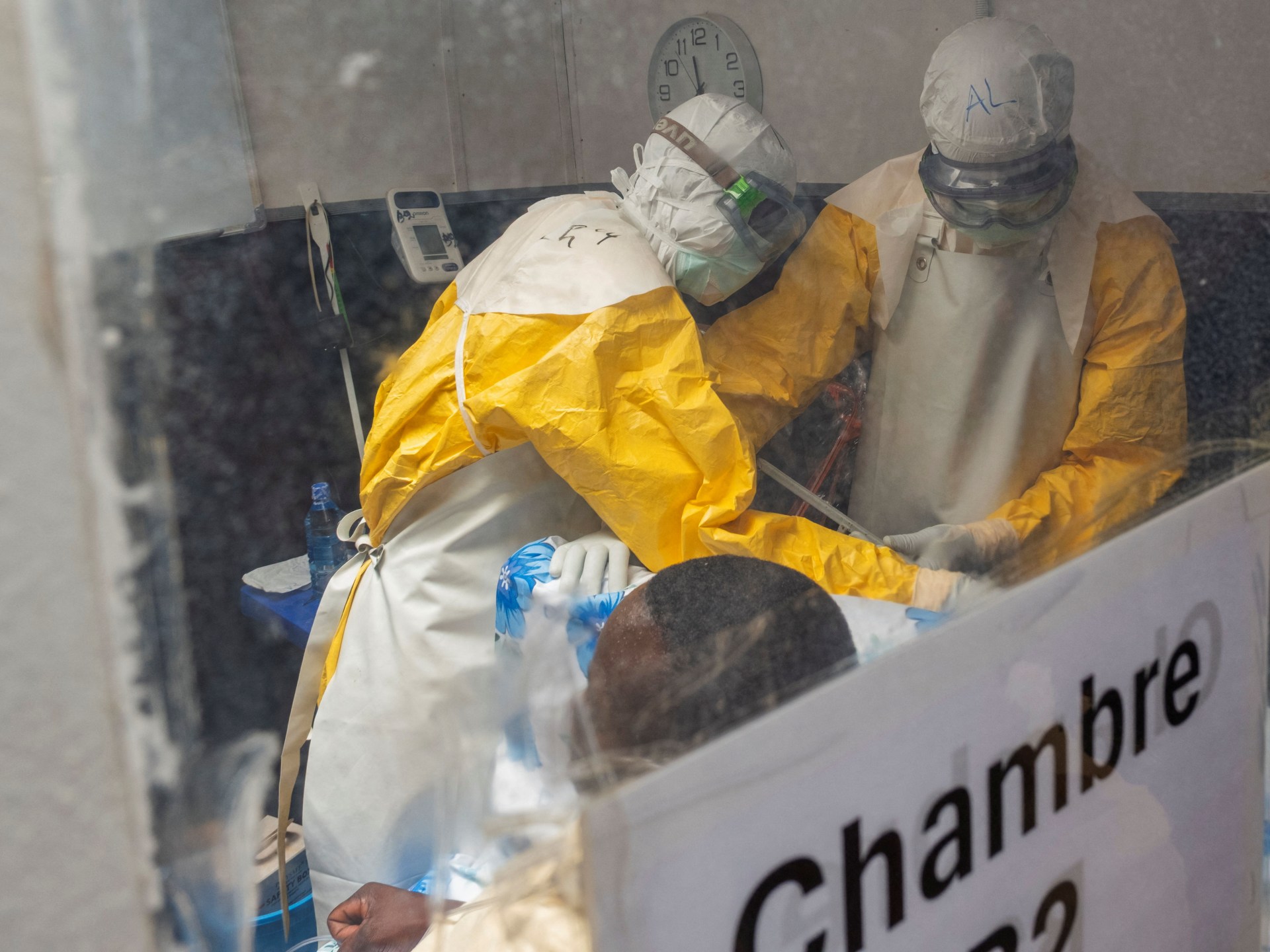
The Ebola outbreak ravaging the Democratic Republic of Congo has reached critical levels, with case numbers climbing above 8,000 and fatalities approaching 4,000, according to health officials tracking the epidemic. The ongoing crisis represents one of the most severe outbreaks since the virus was first identified in 1976, straining the country's already fragile healthcare system.
Response efforts have been hampered by significant obstacles on multiple fronts. Community distrust of health interventions has complicated containment operations, with some residents resisting treatment and vaccination campaigns. Additionally, epidemiologists have identified characteristics of the circulating strain that appear to reduce the effectiveness of available vaccines, complicating prevention strategies that have proven successful in previous outbreaks.
Health workers and humanitarian organizations continue intensive contact tracing and treatment efforts despite dangerous conditions. The outbreak has overwhelmed local medical facilities in affected regions, forcing health authorities to establish isolation centers and coordinate international assistance. Officials have warned that without sustained investment in community engagement and medical resources, the outbreak could continue spreading unchecked through vulnerable populations.
The crisis underscores the challenges facing disease control in regions with limited infrastructure and historical grievances toward health institutions. Authorities have emphasized the need for culturally sensitive communication to rebuild trust and encourage participation in prevention and treatment programs.