Politics · World News Bureau
Democrats control Congress but face steep legislative hurdles ahead
Despite securing midterm election victories, the Democratic-controlled Congress confronts significant structural obstacles to advancing its policy agenda, particularly on key issues including Iran relations, trade policy and curbing executive authority.
LSN World News ·
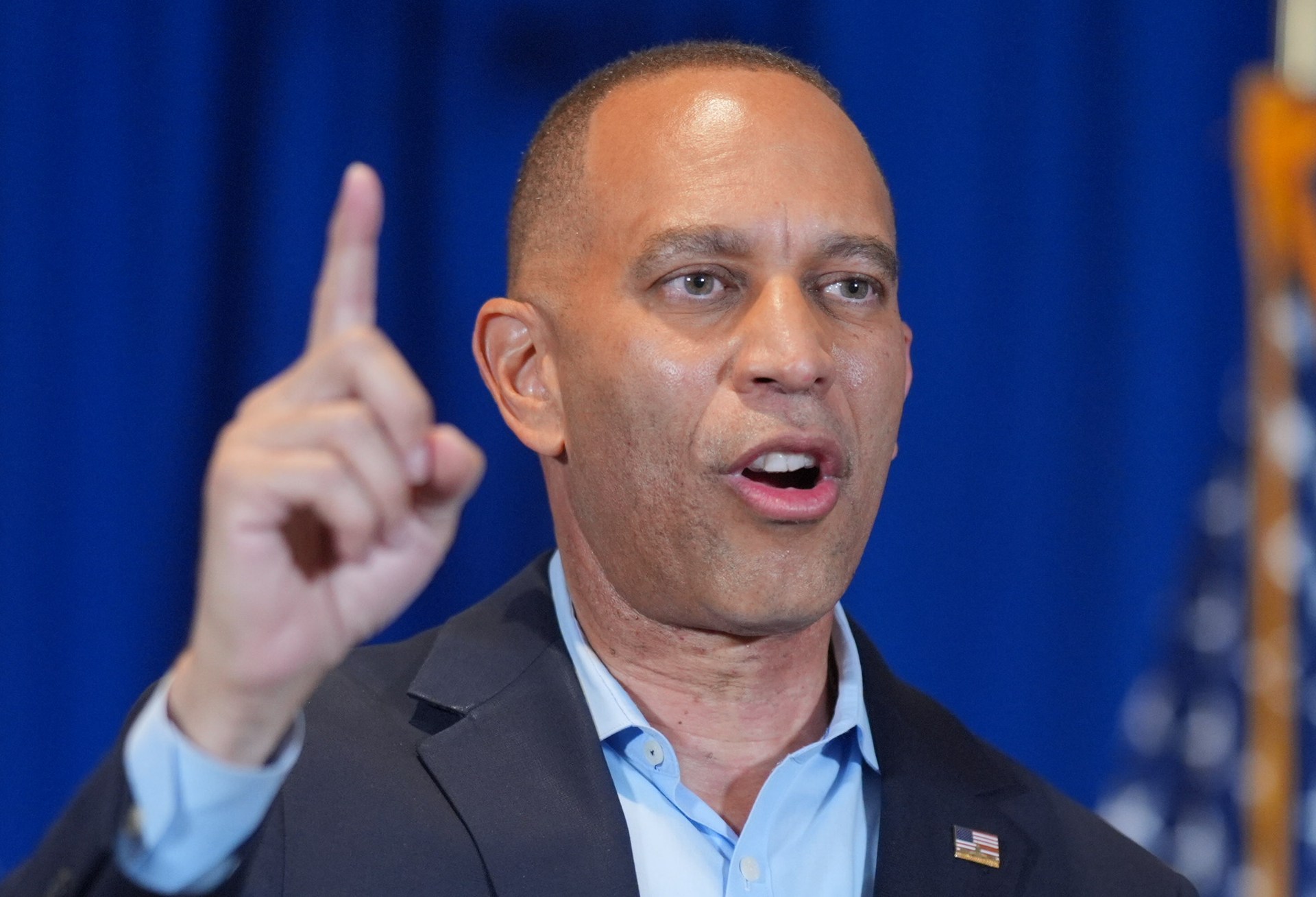
Democrats secured control of both chambers of Congress in the midterm elections, yet their legislative capacity remains constrained by institutional and political realities. The party now must navigate a divided government while attempting to advance priorities on complex foreign policy matters and economic issues that have dominated recent political discourse.
Key policy domains present particular challenges for the Democratic majority. Trade policy, including existing tariff regimes and their potential modification, involves intricate negotiations and competing regional interests. Iran policy remains deeply polarized, with substantial disagreement not only between parties but within Democratic ranks regarding diplomatic approaches and sanctions frameworks. These divisive issues complicate consensus-building necessary for legislative action.
The structural configuration of Congress itself imposes limits on Democratic leverage. Executive authority on numerous trade and foreign policy matters operates largely independent of legislative constraint, reducing Congress's direct influence over administration actions. Additionally, narrow margins in at least one chamber restrict the party's ability to advance legislation without securing bipartisan support or maintaining perfect internal cohesion.
Democrats must prioritize which policy objectives to pursue given finite legislative time and political capital. Strategic choices about where to invest effort will likely determine which campaign commitments translate into actual legislative achievements, while others may require extended negotiation or may prove legislatively unattainable during the current congressional session.