World · World News Bureau
Democrats May Outperform Polling Predictions in Upcoming Elections
Political analysts suggest structural factors and historical patterns could allow Democratic candidates to exceed current polling forecasts. Experts point to voter registration trends and turnout dynamics that may not be fully captured in traditional polling models.
LSN World News ·
As election cycles approach, political observers are examining whether Democratic performance could surpass current polling averages, citing several methodological and demographic considerations that may affect final results.
Polling organizations face ongoing challenges in accurately capturing voter preferences, including difficulties reaching certain demographic groups, changing response rates, and shifts in voter behavior. Some analysts argue that traditional polling may systematically undercount Democratic support in key regions and among younger voters who are less likely to participate in conventional surveys.
Historical data from previous election cycles shows instances where Democratic candidates have performed better than pre-election polls suggested. Researchers attribute this partly to late-deciding voters, improved voter mobilization efforts, and higher-than-predicted turnout in Democratic-leaning constituencies.
However, other political scientists caution against dismissing polls entirely, noting that polling aggregation and methodology have improved significantly in recent years. They emphasize that while individual polls may have limitations, systematic analysis of multiple surveys typically provides reliable directional guidance.
Election forecasters continue to refine their models by incorporating voter registration data, early voting patterns, and historical turnout benchmarks alongside traditional polling to provide more comprehensive predictions of electoral outcomes.
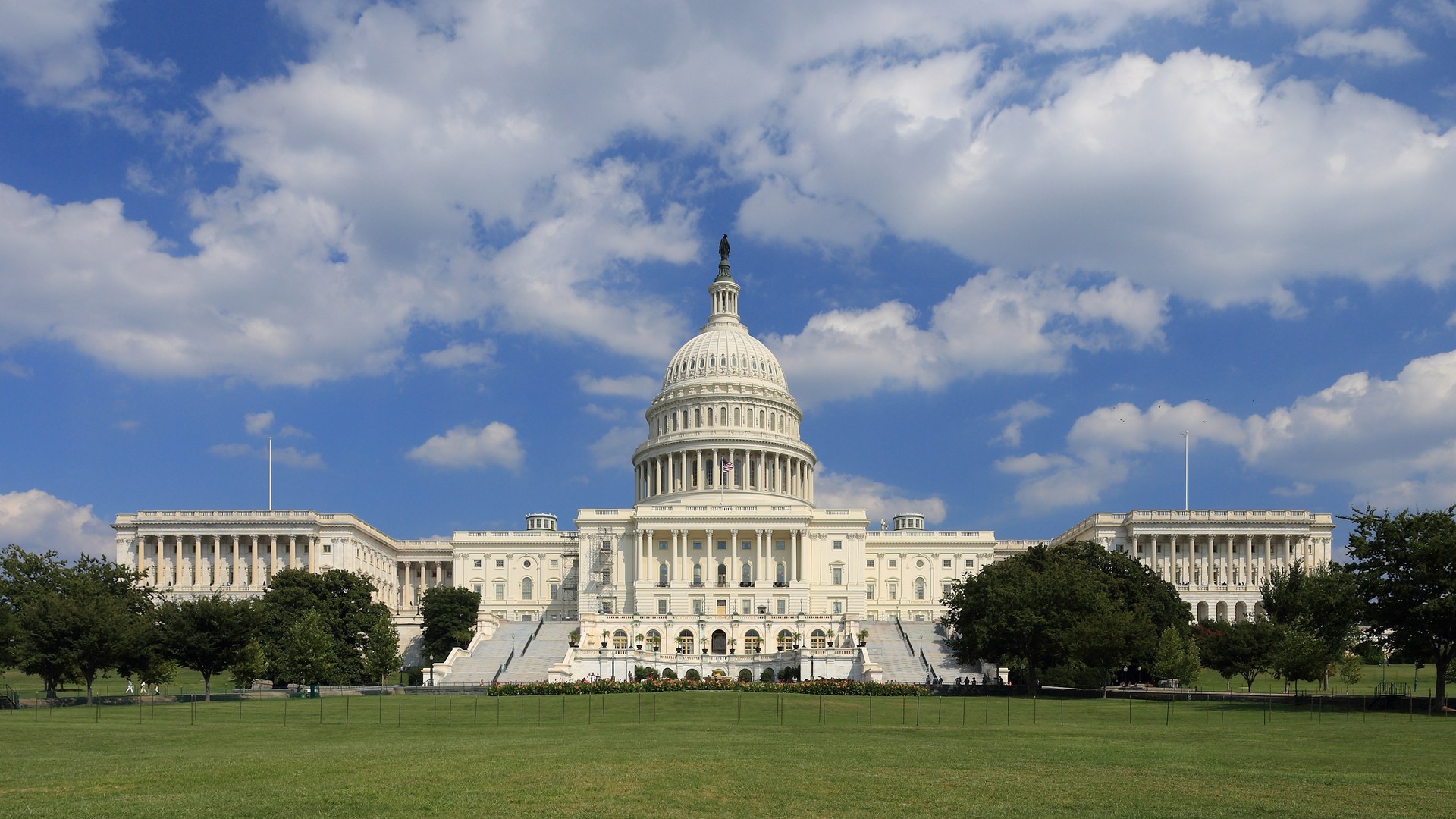
Photo: The west front of the US Capitol, Washington, September 2013. Martin Falbisoner via Wikimedia Commons (CC BY-SA 3.0).