Politics · World News Bureau
Democrats secure Congressional control, positioning to block Trump agenda
Democrats have gained control of Congress, providing them with tools to challenge incoming Republican administration priorities through legislative oversight mechanisms. The party will now wield significant powers including subpoena authority and confirmation vote control.
LSN World News ·
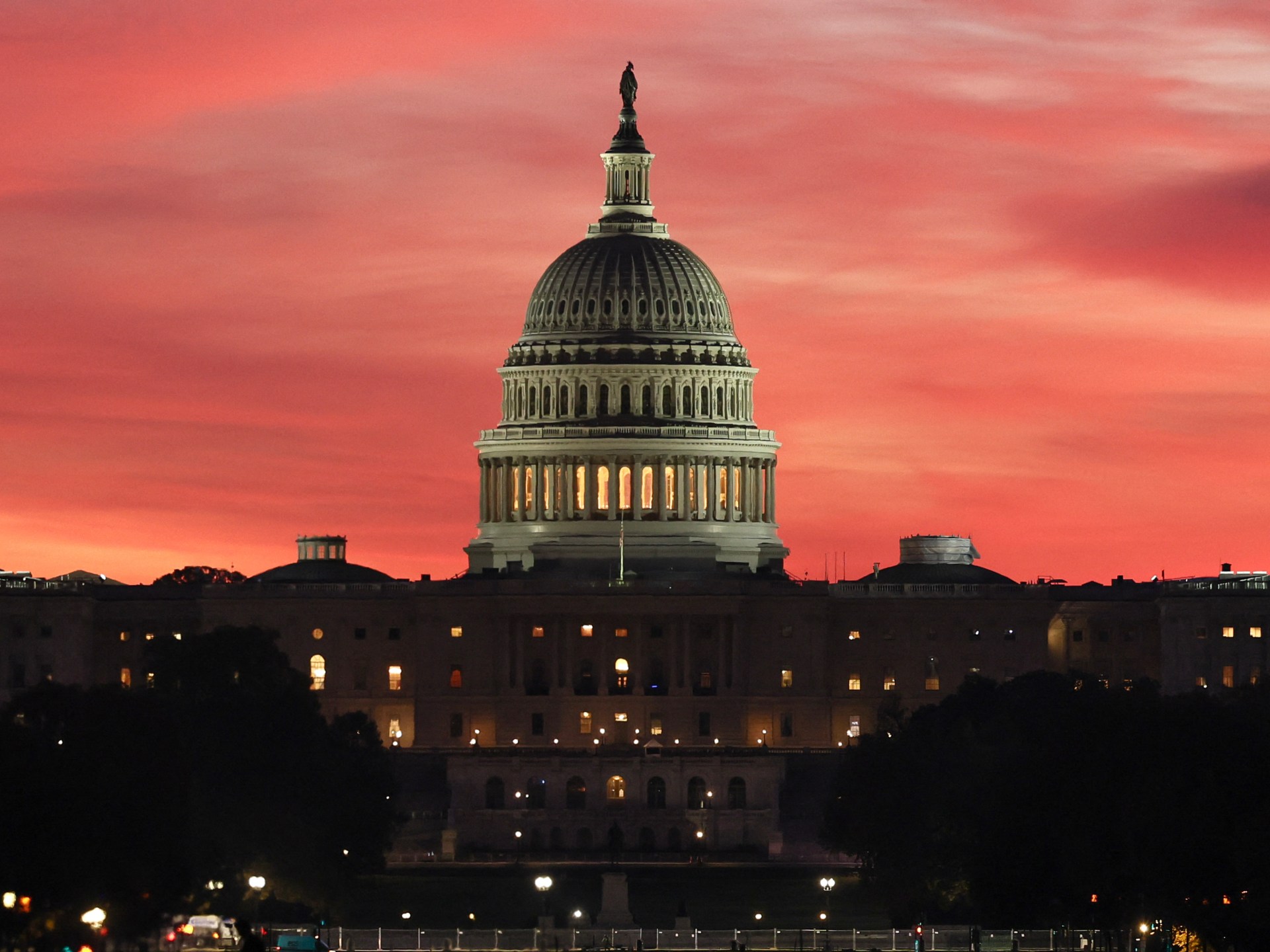
With Democrats holding the majority in Congress, the party has positioned itself to mount substantial opposition to Republican policy initiatives. The shift in legislative power represents a significant constraint on executive authority, as Congress retains multiple avenues to scrutinize and obstruct administration actions.
Democratic control of congressional committees grants the party immediate access to investigative powers, particularly through subpoena authority. This enables Democrats to compel testimony and document production from administration officials and agencies, allowing for detailed examination of executive decisions and policies.
Confirmation votes present another critical leverage point for the Democratic majority. Any presidential appointments requiring Senate confirmation—including cabinet positions, federal judges, and agency heads—must now secure Democratic support or face rejection. This gives Democrats veto power over key personnel decisions.
The legislative dynamic also affects the passage of new laws. Democrats can block Republican-sponsored legislation and advance their own agenda, though any measures would require navigating potential presidential vetoes. The divided government structure typically produces legislative stalemate on contentious issues, while compromise measures may emerge on matters of bipartisan concern.
Historically, periods of divided government have alternated between congressional obstruction and compromise-driven governance, depending on political circumstances and public pressure. The composition of Congress will significantly influence the trajectory of domestic and foreign policy over the coming legislative term.