World · India Bureau
Demolition of heritage khadi centre near Mysuru draws Gandhian protests
The destruction of century-old structures at Badanavalu khadi centre has sparked outrage among Gandhi followers, as the site holds historical significance from the Mahatma's visits in the 1920s and 1930s. Authorities cite deteriorating conditions as justification for the demolition.
LSN India ·
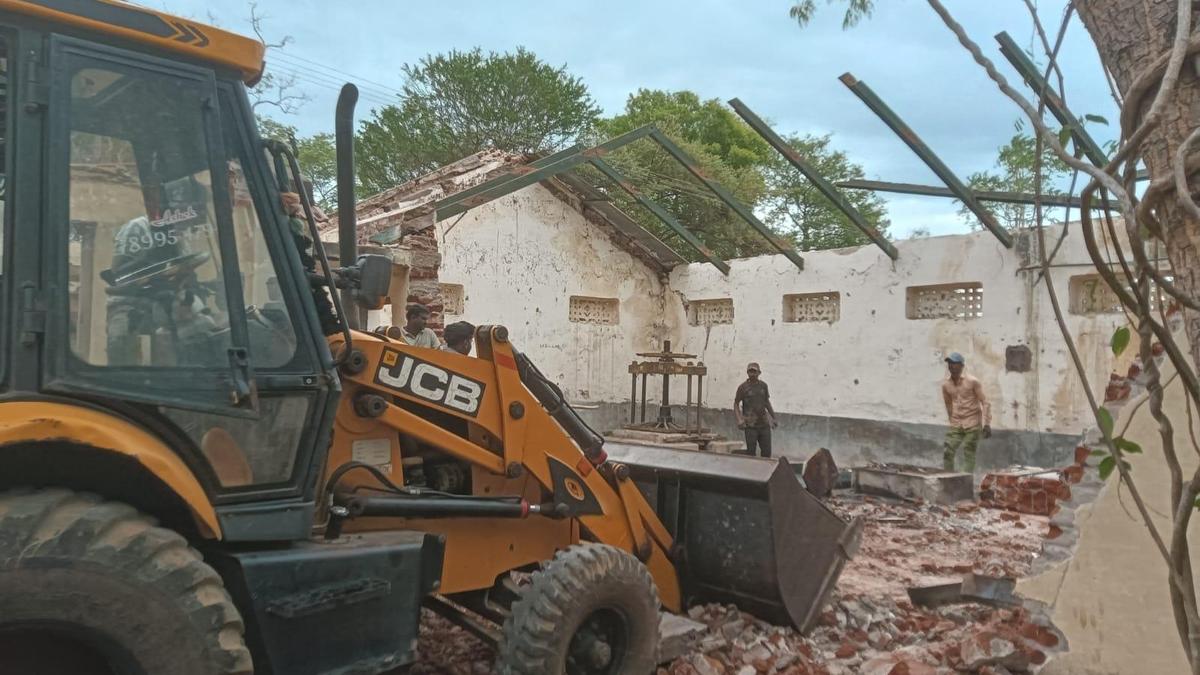
The demolition of heritage structures at the Khadi and Gramodyog Centre in Badanavalu, located near Mysuru in Karnataka, has triggered sharp criticism from Gandhian organizations and heritage advocates. The century-old buildings, which form part of the khadi production facility, are being razed despite their historical importance.
Mahatma Gandhi visited the Badanavalu centre on two occasions—in 1927 and again in 1932—during his campaigns to promote khadi and village industries as part of the independence movement. These visits made the centre a significant landmark in India's freedom struggle narrative and khadi heritage.
Official sources indicated that the demolition was necessitated by the dilapidated condition of the structures, which they assessed as unsafe and beyond restoration. However, the decision to destroy rather than rehabilitate the buildings has drawn criticism from those who view them as irreplaceable repositories of Gandhian legacy.
The controversy highlights the persistent tension between heritage preservation and modern infrastructure concerns in India, particularly at sites of historical and cultural significance. Khadi centres across the country have struggled with maintenance challenges, yet many hold deep emotional and historical resonance for Indian citizens and freedom movement historians.