World · Bangladesh Bureau
Dengue fight hampered as insecticides lose potency against Aedes mosquitoes
Public health officials face a growing challenge in controlling dengue transmission as five of six commonly used insecticides have become ineffective against Aedes mosquitoes. The development threatens dengue control efforts across the region.
LSN Bangladesh ·
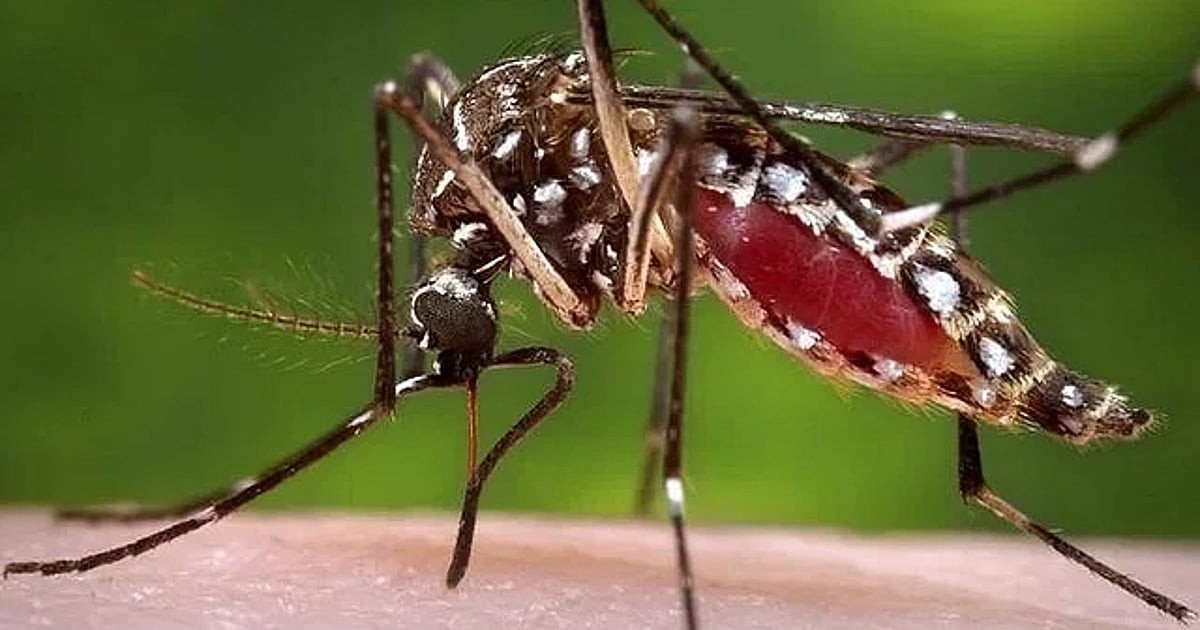
Resistance to insecticides has emerged as a significant obstacle in Bangladesh's ongoing battle against dengue fever, with five of the six primary chemical agents used for mosquito control now showing reduced effectiveness. The loss of efficacy in these pesticides undermines vector control programmes that have traditionally relied on spraying campaigns to suppress Aedes mosquito populations responsible for spreading the virus.
The growing resistance presents a critical challenge for public health authorities tasked with containing dengue outbreaks, particularly during peak transmission seasons. Officials have increasingly relied on insecticide-based interventions to reduce mosquito breeding and adult populations in urban and semi-urban settings where dengue transmission is most prevalent.
Only one of the six insecticides currently in use against Aedes mosquitoes remains fully effective, according to entomological assessments. This narrow window of chemical control options has prompted health agencies to explore alternative strategies, including improved sanitation practices, community awareness programmes, and the identification of new insecticide formulations.
Experts emphasize that sustainable dengue control will require a multi-pronged approach combining chemical interventions with environmental management and public participation. The emergence of insecticide resistance underscores the need for regular monitoring of mosquito populations and the development of new vector control methods to address the evolving public health threat.