World · India Bureau
Denmark balances carbon storage against biodiversity in forest management
Denmark's approach to forestry reveals a fundamental tension between climate goals and ecological diversity. While tree plantations excel at carbon sequestration, natural forests prove superior for preserving wildlife and plant species.
LSN India ·
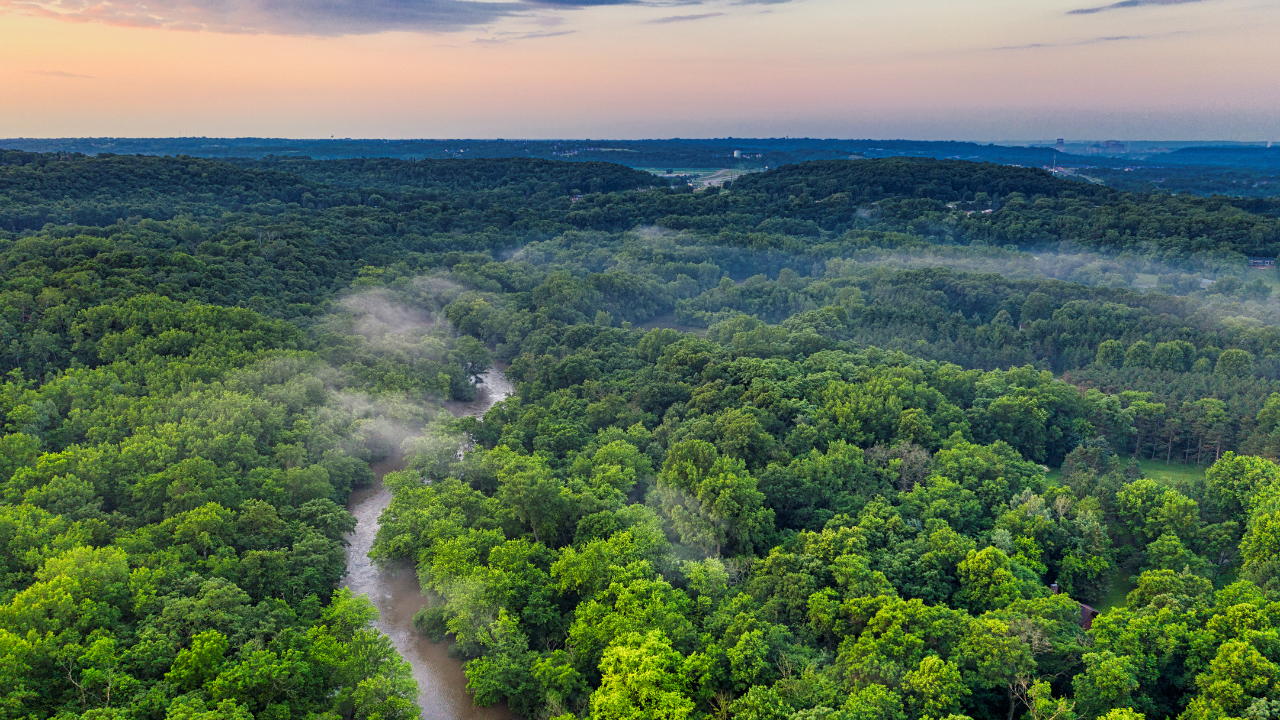
Denmark's forest management strategy highlights an emerging dilemma facing environmental policymakers across Europe and beyond. Plantation forests, which cover significant portions of the Nordic nation's woodland areas, demonstrate high efficiency in capturing and storing atmospheric carbon—a critical consideration in climate mitigation efforts. However, ecological assessments increasingly show that these managed monocultures fall short in supporting the biodiversity that characterizes naturally regenerated forests.
Naturally grown forests, by contrast, develop complex ecosystems with diverse plant and animal species adapted to local conditions. These wild woodlands support intricate food webs and provide habitats for numerous organisms that struggle to survive in the simplified environments of commercial plantations. The structural variety—from dense undergrowth to varied canopy layers—creates ecological niches absent in systematically managed stands.
Denmark's experience underscores a broader challenge facing nations committed to both climate action and biodiversity conservation. Carbon storage alone cannot address the full spectrum of environmental goals. Policymakers must weigh the immediate benefits of carbon sequestration against long-term ecosystem health and species preservation. Some forestry experts advocate for hybrid approaches that integrate carbon-focused management with corridors of natural growth and mixed-species plantations.
The findings carry particular relevance for South and Southeast Asian nations expanding forest cover through afforestation programs. Environmental planners in the region increasingly recognize that forest composition matters as much as forest coverage when balancing climate objectives with conservation imperatives. Integration of local species and natural regeneration alongside strategic plantations may offer pathways to achieve multiple environmental outcomes simultaneously.