World · India Bureau
Desert rodents revealed as key architects of vegetation patterns
A landmark 13-year study has demonstrated that kangaroo rats play a crucial role in shaping desert plant communities. Researchers found that removing these small rodents dramatically altered vegetation composition and ecosystem dynamics.
LSN India ·
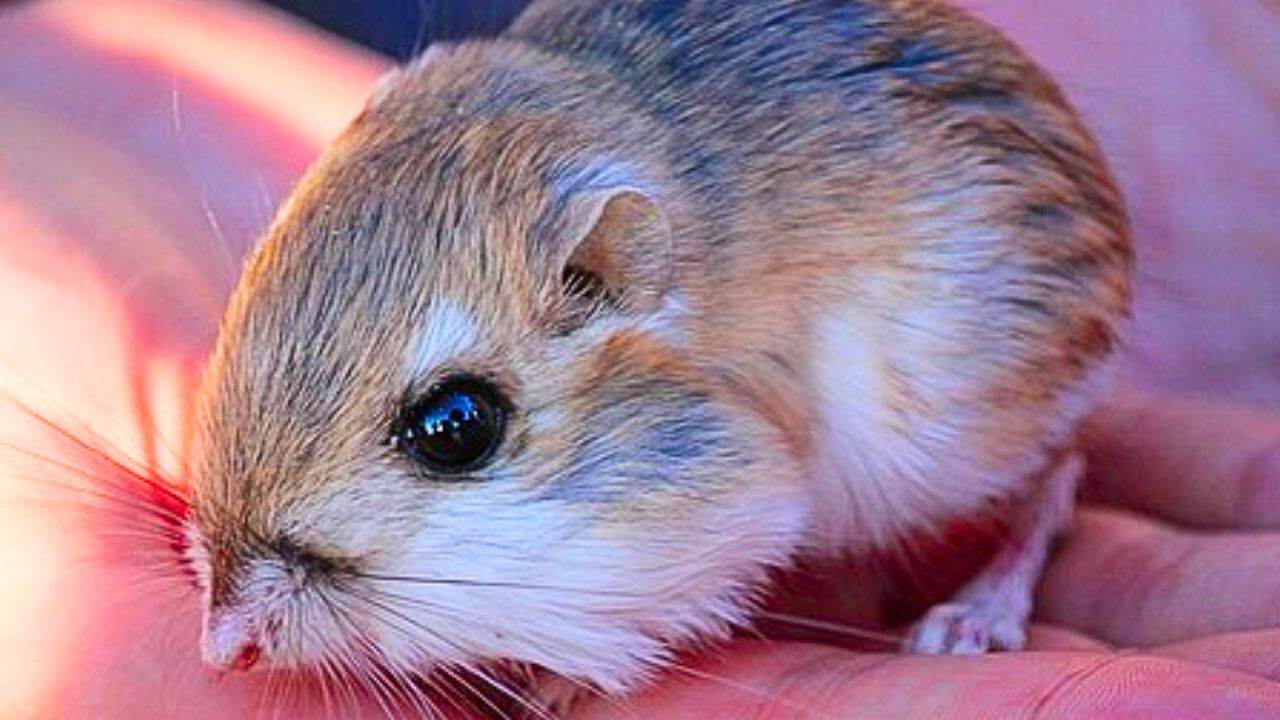
Scientists conducting one of the longest ecological exclusion studies on record have uncovered the hidden importance of kangaroo rats in maintaining desert ecosystem balance. By systematically removing the rodents from designated desert areas over a thirteen-year period, researchers observed significant changes in plant life and broader ecological interactions.
The absence of kangaroo rats led to a marked increase in two specific grass species, suggesting these rodents exert considerable influence over desert vegetation composition. The mechanism behind this transformation involves two critical factors: reduced soil disturbance from the rodents' burrowing activities and decreased seed predation, both of which typically constrain grass growth in arid environments.
The vegetation shift triggered downstream ecological consequences, altering the foraging patterns and abundance of other rodent species and desert birds. These findings underscore how keystone species—organisms whose impact on ecosystems far exceeds their abundance—shape entire communities through multiple ecological pathways. The research demonstrates that even small, cryptic animals can fundamentally structure the plant and animal communities around them.
The study provides valuable insights into desert ecosystem resilience and the interconnected nature of arid environments. Understanding these relationships remains critical as climate change and land-use pressures increasingly threaten fragile desert ecosystems across the world.