Culture & Entertainment · India Bureau
Designers blend traditional craftsmanship with modern cuts for Diwali season
Indian fashion designers are reimagining festival wear this Diwali by fusing heritage techniques with contemporary silhouettes. The trend reflects a growing consumer appetite for garments that honor artisanal traditions while meeting modern aesthetic preferences.
LSN India ·
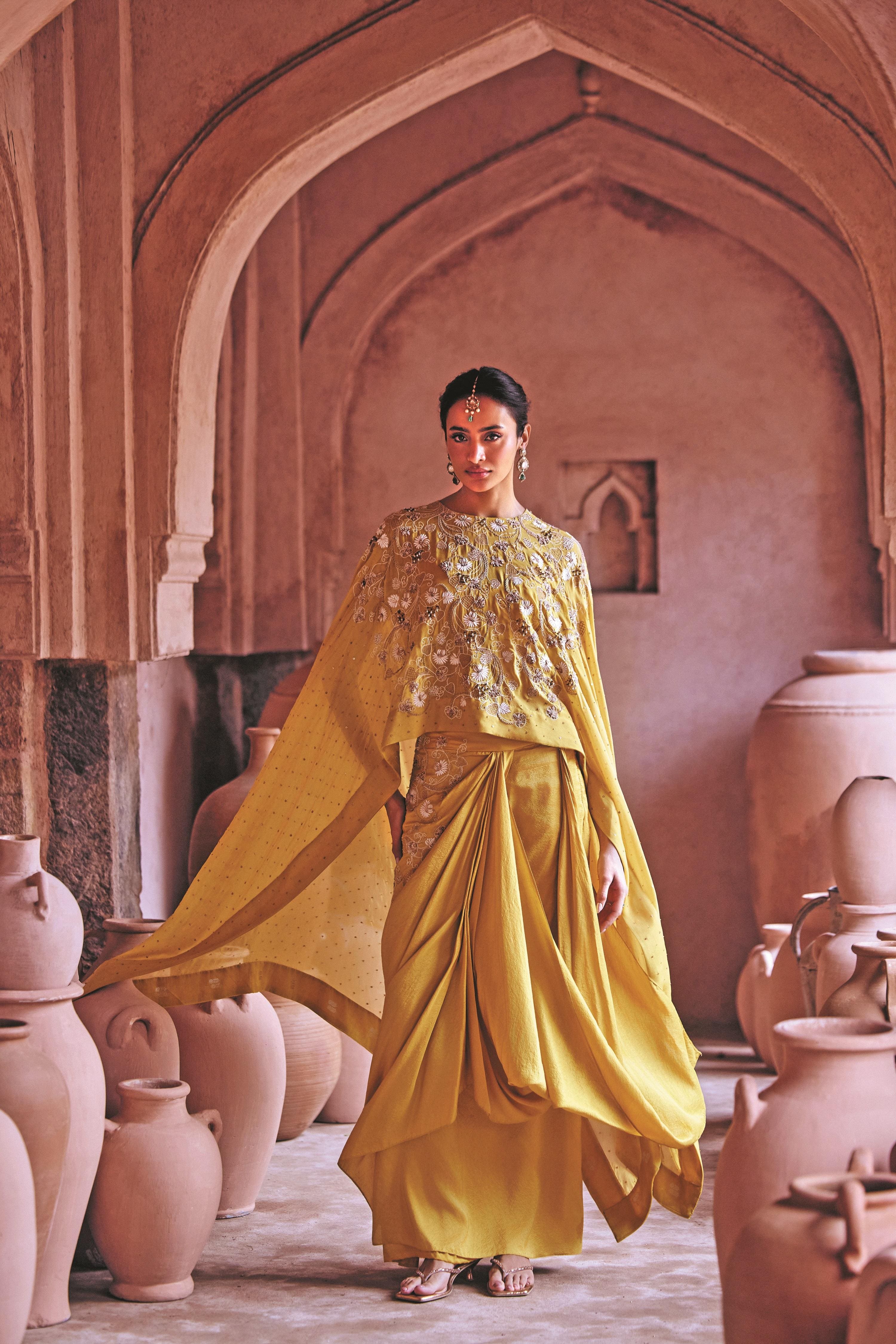
This festive season, India's design community is steering Diwali fashion toward a middle ground between preserving cultural heritage and embracing contemporary style sensibilities. Designers are increasingly pairing time-honored weaving, embroidery, and textile techniques with streamlined cuts and innovative draping methods that appeal to fashion-conscious consumers seeking distinction beyond conventional occasion wear.
The fusion approach draws on India's vast repository of regional craftsmanship—from Banarasi silk work to hand-block printing and intricate zari embroidery—while reinterpreting these elements through modern silhouettes such as structured blazers, asymmetrical hemlines, and minimalist color palettes. This strategy allows artisans and weavers to sustain their traditional practices while reaching younger demographics and urban audiences who might otherwise overlook conventional ethnic wear.
The movement reflects broader shifts in Indian consumer preferences, where buyers increasingly seek authenticity and cultural significance in their clothing choices without sacrificing contemporary comfort and style. Fashion observers note that this blending of the traditional and modern has become particularly pronounced during festival seasons, when Indians actively seek special occasion wear that expresses both personal identity and cultural pride.
As Diwali approaches, major fashion retailers and independent designers across metropolitan and tier-two cities have launched collections featuring this hybrid aesthetic, signaling strong market demand for garments that successfully bridge heritage and modernity.