World · World News Bureau
Devastating Nepal-Tibet floods underscore climate change risks in Himalayas
Catastrophic flooding that swept across Nepal and Tibet has intensified concerns about the region's vulnerability to extreme weather events as global temperatures rise. Scientists warn that accelerating glacier melt and changing precipitation patterns pose mounting threats to millions of people across South and Southeast Asia.
LSN World News ·
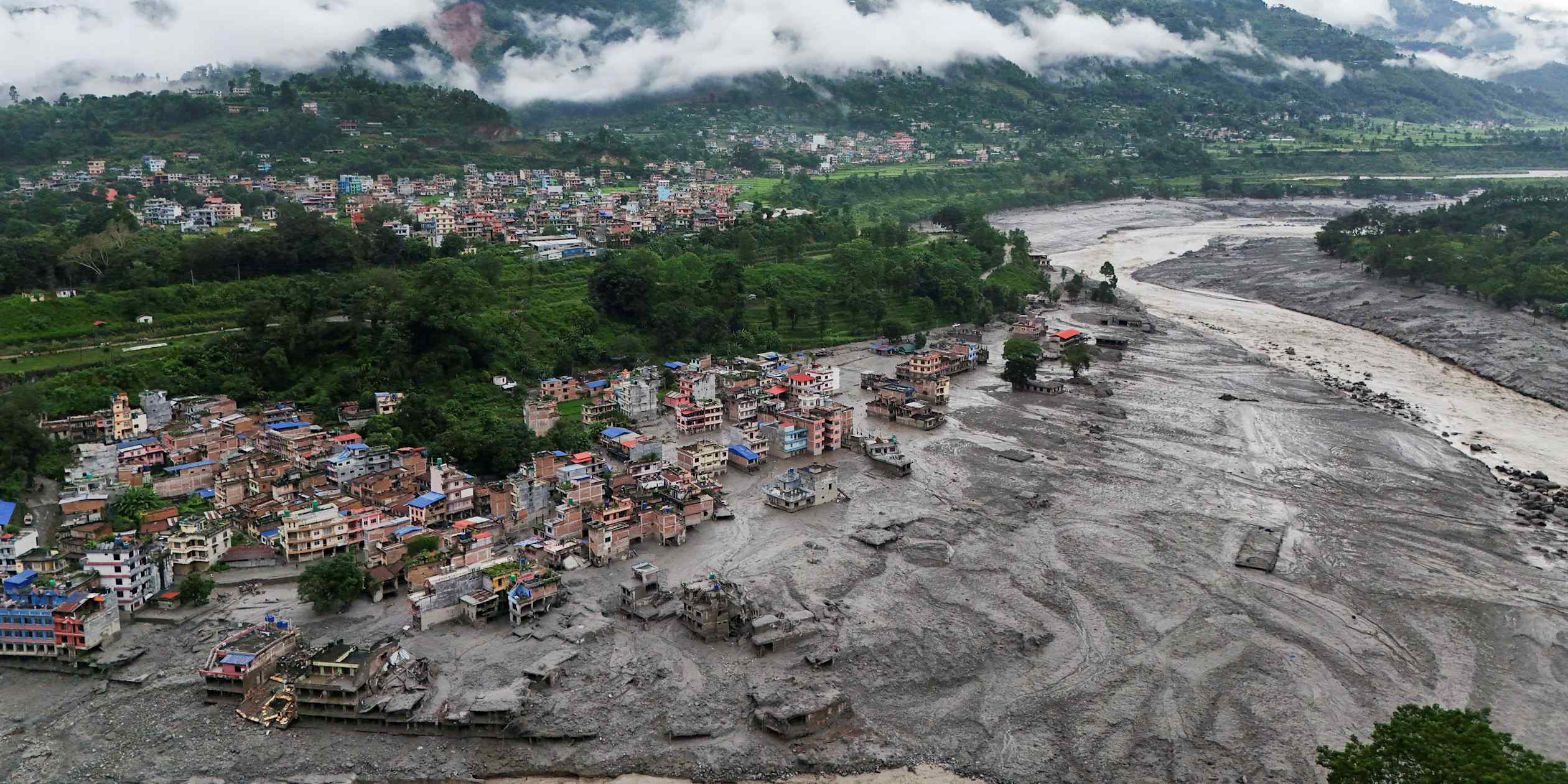
A severe flooding event that struck Nepal and the Tibet Autonomous Region has highlighted the alarming climate vulnerabilities of the Himalayan region, one of the world's most geologically sensitive areas. The disaster, which claimed numerous lives and displaced thousands of residents, underscores how warming temperatures are fundamentally altering the hydrology of the world's highest mountain range.
Climate experts attribute the intensity of recent flooding to a combination of factors intensified by global warming, including accelerated glacier retreat, earlier snow melt cycles, and shifts in monsoon precipitation patterns. The Himalayas, often called the "third pole," contain vast quantities of ice and snow that regulate water supplies for nearly two billion people downstream across the Indian subcontinent and Southeast Asia.
Research indicates that rising temperatures are causing glaciers throughout the region to shrink at unprecedented rates, fundamentally altering seasonal water flows that communities have relied upon for centuries. Scientists project that without significant global emissions reductions, the region will face increasingly severe flooding during monsoon seasons alongside prolonged droughts during dry periods.
The Nepal-Tibet flooding serves as a stark reminder that climate change impacts are no longer theoretical concerns but present-day realities reshaping landscapes and threatening livelihoods across Asia. Regional governments and international organizations are under growing pressure to develop comprehensive adaptation strategies and strengthen early warning systems to protect vulnerable populations from future climate-related disasters.