Technology · Singapore Bureau
Developing nations demand stronger voice in global AI governance
Countries from the Global South are pushing for greater representation in shaping artificial intelligence regulations, cautioning that concentrated development in wealthy nations risks widening economic disparities worldwide.
LSN Singapore ·
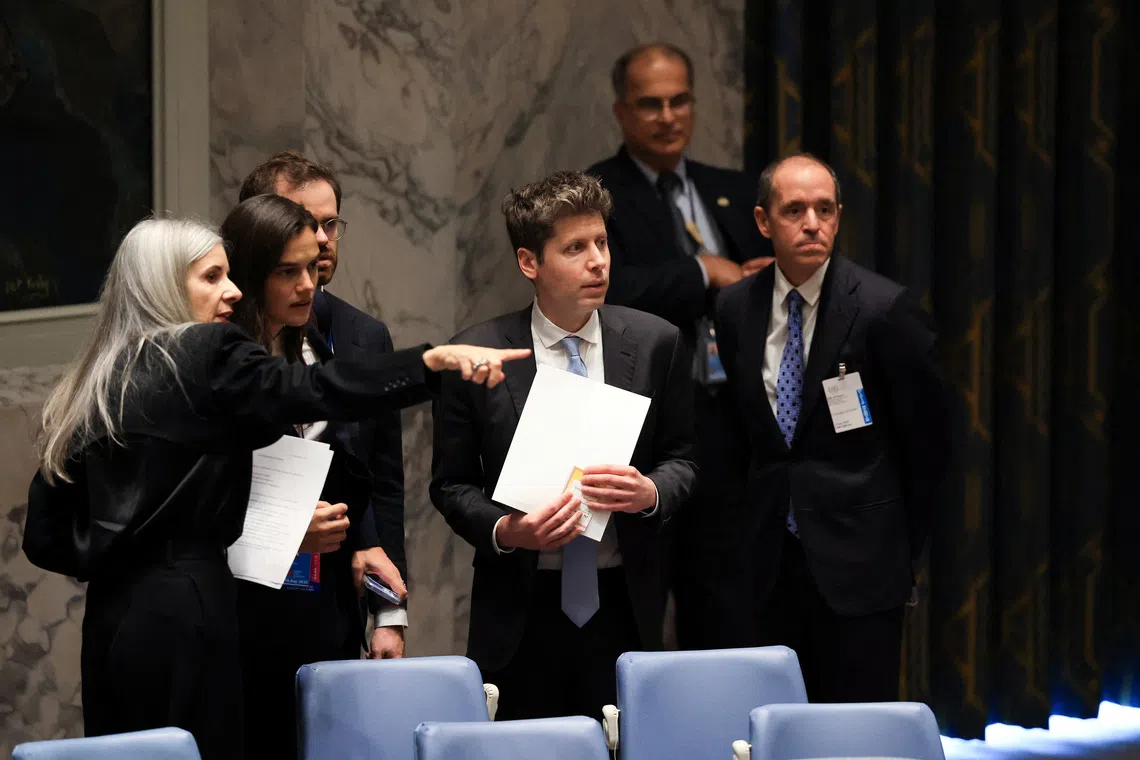
Developing nations have called for a more prominent role in establishing the international frameworks governing artificial intelligence, expressing concern that current decision-making structures exclude their voices and interests.
At United Nations discussions, representatives from Global South countries warned that AI's transformative potential could exacerbate existing inequalities if its development and regulatory architecture remain dominated by wealthy nations. They argued that without broader participation, technology advancement would primarily benefit economically advanced countries while marginalizing less developed economies.
The interventions reflect growing awareness among developing nations that AI will reshape economic landscapes, labour markets, and social structures across all regions. Delegates stressed the need for inclusive governance mechanisms that account for varying levels of technological capacity and economic development among UN member states.
The push comes as major economies and technology hubs have largely led discussions on AI standards and regulations. Developing nations contend that their participation is essential to ensure that global AI governance frameworks address diverse economic contexts and do not perpetuate technological dependency or widen the development gap.
The debate underscores broader tensions over who shapes emerging technologies and how benefits and risks are distributed globally, with developing countries seeking mechanisms to influence outcomes that will affect their economic futures.