Business · Bangladesh Bureau
Developing nations face record $9.4 trillion external debt burden
External debt in developing countries has surged to an unprecedented $9.4 trillion in 2025, according to World Bank data, underscoring mounting financial pressures on emerging economies. The escalation raises concerns about debt sustainability and economic vulnerability across the developing world.
LSN Bangladesh ·
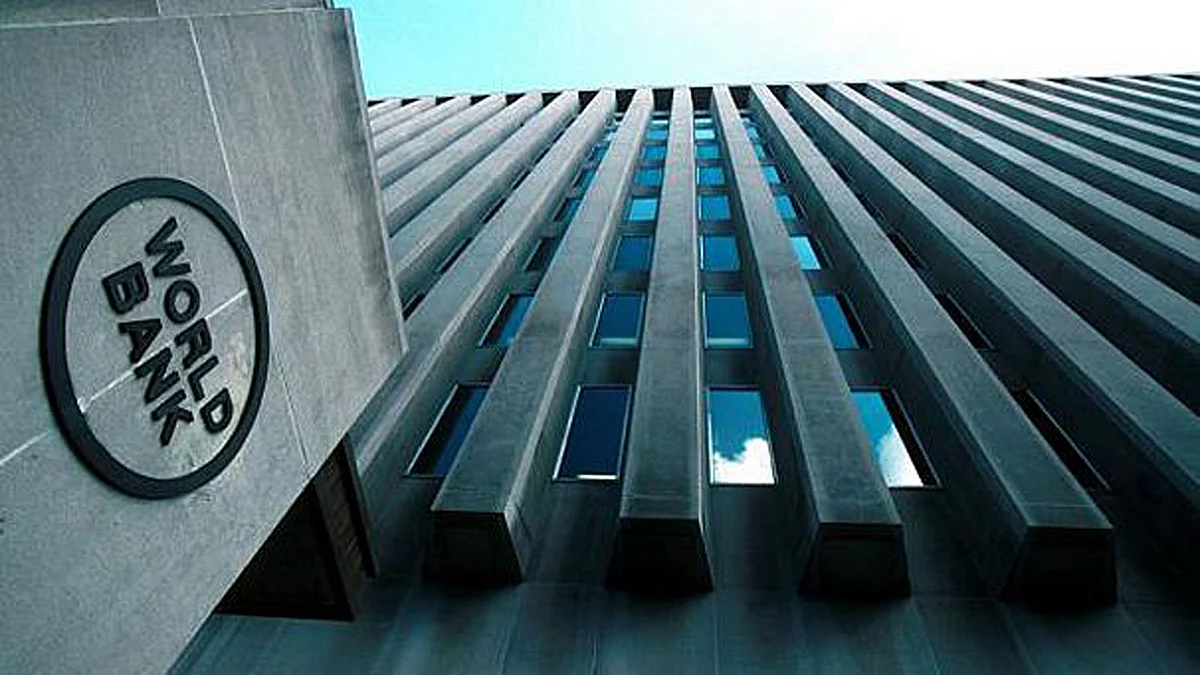
Developing countries are grappling with a historic debt crisis as external obligations reached $9.4 trillion in 2025, marking a significant milestone in global financial imbalances. The World Bank's findings highlight the deepening fiscal challenges confronting nations across South and Southeast Asia, Africa, Latin America, and other emerging markets as they navigate inflationary pressures, currency fluctuations, and elevated interest rates.
The surge in external debt reflects multiple structural factors, including increased borrowing costs in international markets, reliance on foreign financing for infrastructure projects, and economic headwinds that have constrained revenue generation. Many developing nations have turned to external borrowing to fund development initiatives and bridge fiscal gaps, but mounting debt servicing costs now consume growing shares of government budgets and foreign exchange reserves.
For Bangladesh and its regional peers, the debt accumulation presents serious policy dilemmas. Higher interest payments divert resources from critical spending on education, healthcare, and poverty reduction programs, while debt burdens limit fiscal flexibility to respond to economic shocks or invest in climate resilience.
Experts caution that without coordinated international efforts to address debt sustainability, developing countries risk entering a prolonged period of constrained growth and reduced development prospects. The World Bank's data underscores the urgency for debt restructuring frameworks, improved domestic resource mobilization, and renewed focus on developmental financing mechanisms that can ease the burden on emerging economies.