Business · Singapore Bureau
Developing Nations Face Tough Fiscal Choices Amid Debt Crisis
The International Monetary Fund has warned that heavily indebted countries, particularly oil importers, must either reduce government spending or restructure their debt burdens as they grapple with severe economic pressures. The Fund indicated developing nations have limited options to navigate the current crisis.
LSN Singapore ·
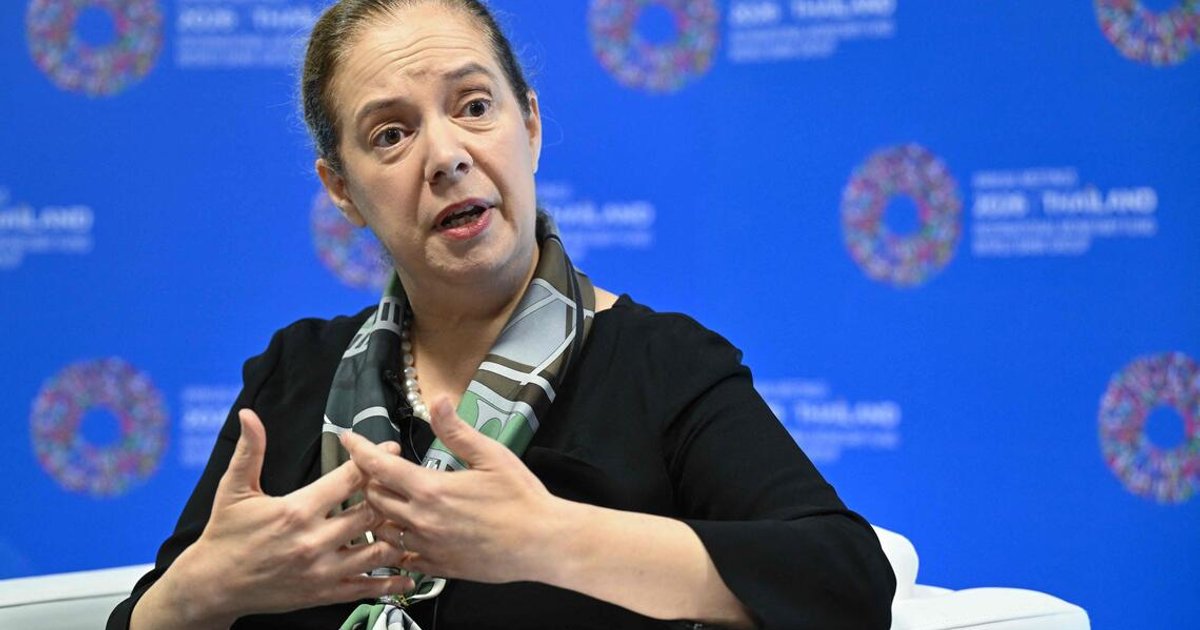
The International Monetary Fund has presented a stark assessment of the fiscal challenges confronting developing economies, particularly those burdened by heavy debt levels and reliant on imported energy. According to the Fund's analysis, nations in this position face limited alternatives: either implement significant cuts to government expenditure or pursue debt restructuring arrangements with creditors.
Oil-importing developing countries are experiencing acute economic strain, caught between elevated energy costs and constrained fiscal capacity. The convergence of these pressures has forced policymakers to confront difficult trade-offs between maintaining social spending and ensuring debt sustainability.
The IMF's position reflects growing concerns about the global economic environment, where rising commodity prices and tightening financial conditions have compressed policy space for vulnerable economies. Many nations have already depleted foreign reserves and face restricted access to international capital markets, leaving them with few alternatives to address their fiscal imbalances.
Experts note that the choice between austerity measures and debt restructuring carries significant implications for social welfare, economic growth, and long-term stability. The Fund's assessment underscores the urgency for developing nations to make decisive policy adjustments while simultaneously highlighting the need for international support mechanisms to ease the transition.