World · Bangladesh Bureau
Development gains under threat as poverty reversal emerges across region
Years of economic progress face reversal as poverty metrics worsen in South and Southeast Asia, prompting questions about the sustainability and reach of development initiatives. Experts warn that significant gaps remain in how development success is measured and distributed.
LSN Bangladesh ·
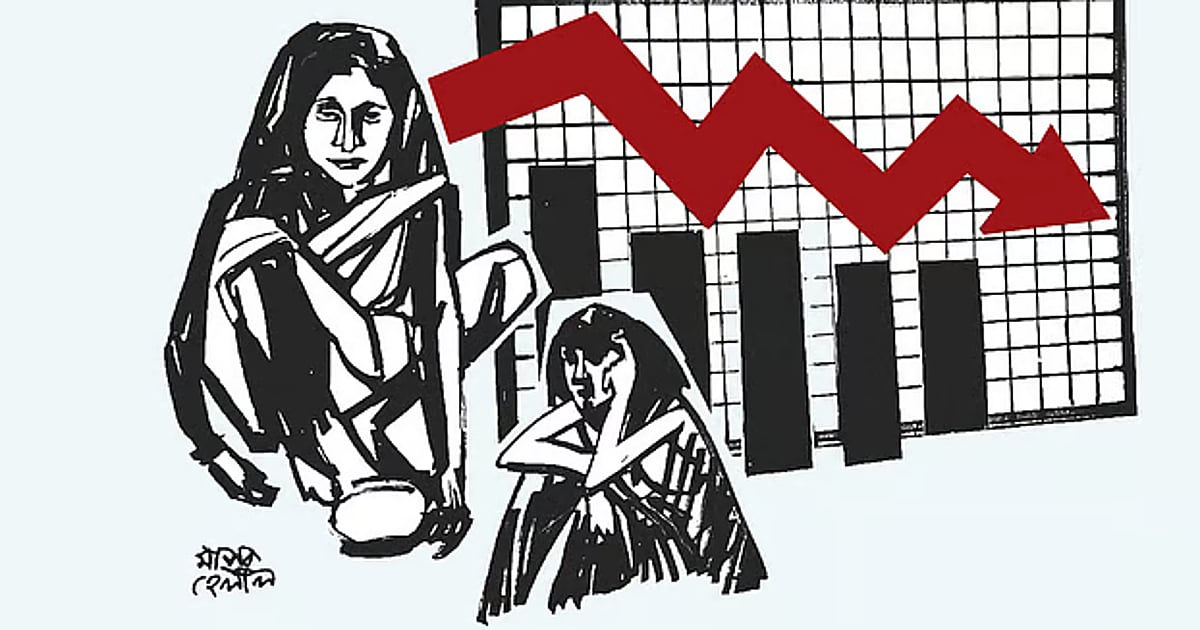
Poverty rates that had declined steadily over two decades are beginning to climb again across parts of South and Southeast Asia, challenging the conventional narrative of unbroken development progress that has dominated policy discussions in recent years.
The reversal reflects growing concerns among economists and development specialists that headline growth figures mask deeper structural problems. While gross domestic product expansion has continued in many countries, the benefits have not reached vulnerable populations equally, and external shocks have disproportionately affected those living on the economic margins.
Analysts point to multiple contributing factors, including inflation pressures, reduced employment opportunities, and the lingering effects of global disruptions. The gaps between official development indicators and lived reality on the ground have become increasingly apparent, raising questions about how progress is measured and whether current metrics adequately capture poverty dynamics.
Regional policymakers are now reassessing development strategies to ensure that growth translates into tangible improvements for lower-income households. Experts emphasize the need for targeted interventions that address inequality and strengthen social safety nets, warning that without course correction, gains achieved over previous decades risk eroding further.