World · India Bureau
Devuthani Ekadashi 2026: Date, rituals and spiritual significance explained
Devuthani Ekadashi, a major Hindu observance marking Lord Vishnu's awakening from divine sleep, falls on a specific date in 2026. The festival carries religious significance and is traditionally followed by the auspicious Tulsi Vivah ceremony.
LSN India ·
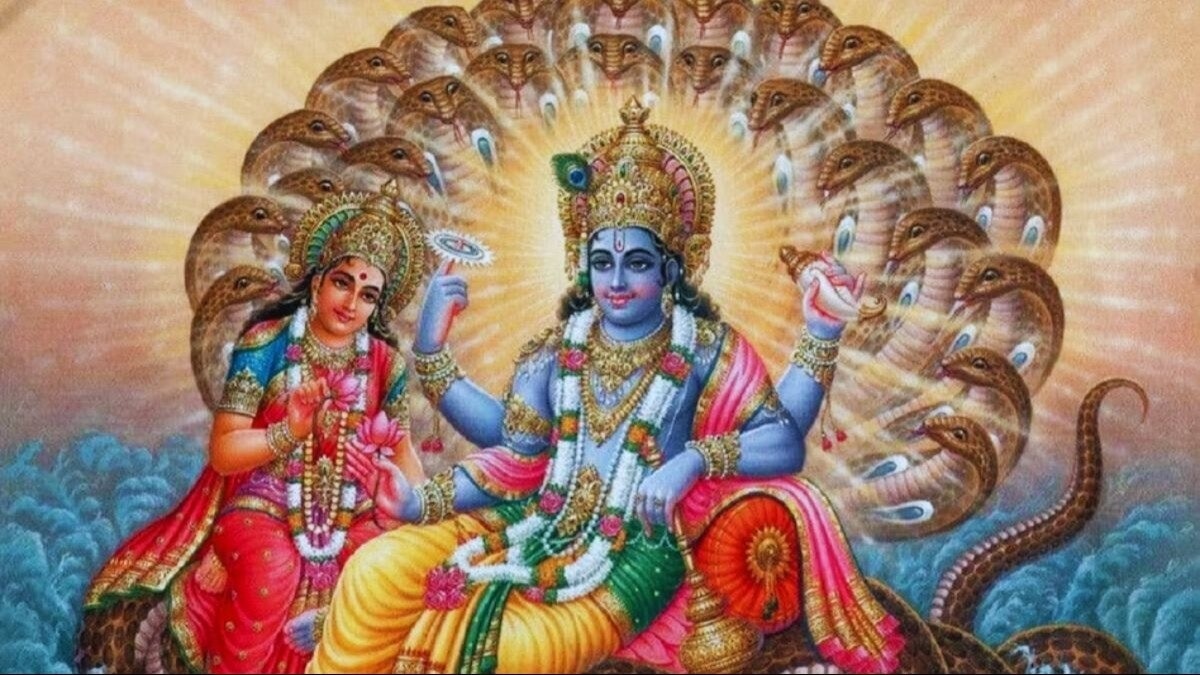
Devuthani Ekadashi, also known as Prabodhini Ekadashi, is observed annually by Hindu devotees across India as a significant religious occasion. The festival commemorates Lord Vishnu's awakening from his four-month divine slumber, known as Yoga Nidra. In 2026, devotees will need to mark their calendars for the precise date and auspicious timings to observe the fasting rituals and perform worship ceremonies.
The observance involves a full-day fast, or vrat, with specific timings for breaking the fast, known as vrat paran. Devotees typically engage in prayers and rituals dedicated to Lord Vishnu, seeking blessings and spiritual merit. The fasting period requires adherence to traditional dietary restrictions, with many followers consuming only fruits, milk, and specific permitted foods.
Devuthani Ekadashi holds particular cultural importance as it precedes Tulsi Vivah, an auspicious ceremony celebrating the ceremonial marriage of the sacred Tulsi plant to Lord Krishna. This ritual is performed in Hindu households and temples, symbolizing the onset of the winter season and marking the end of the monsoon period. The festival is deeply embedded in India's religious calendar and continues to be observed with reverence across various regions.
Hindu families traditionally prepare for these observances by consulting the lunar calendar to determine exact timings for worship and fasting practices. The rituals associated with Devuthani Ekadashi are believed to bring prosperity, spiritual advancement, and divine grace to observers.