World · Bangladesh Bureau
Dhaka's visual clutter poses mounting health and safety risks
Uncontrolled signage, advertising hoardings and structural clutter across Dhaka are increasingly linked to traffic accidents and deteriorating public health. Experts warn that visual pollution demands urgent regulatory intervention.
LSN Bangladesh ·
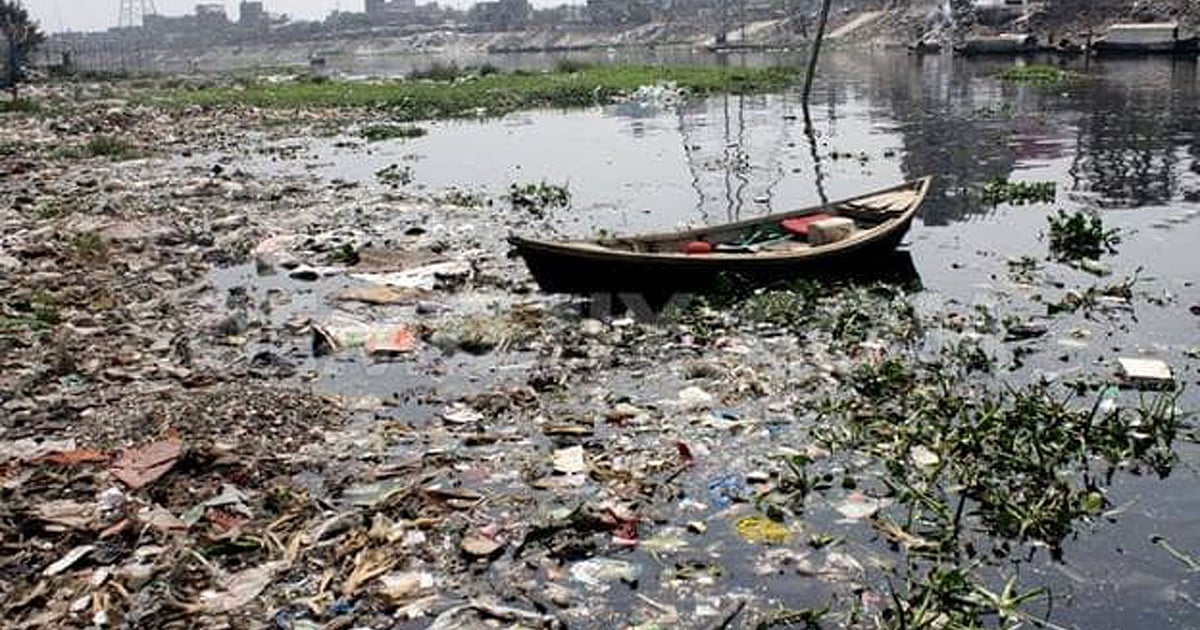
The capital's streets have become progressively congested not just with vehicles but with visual distractions, raising concerns among public health officials and traffic safety experts about the cumulative impact on residents and road users.
Billboards, commercial signboards, electrical wires and makeshift structures obscure sightlines at critical junctures, creating hazardous conditions for drivers and pedestrians navigating Dhaka's congested thoroughfares. Traffic analysts suggest that driver distraction caused by excessive signage and visual clutter contributes to a measurable increase in accident rates, particularly at intersections and commercial zones.
Beyond immediate safety concerns, researchers point to broader health implications. Prolonged exposure to visual disorder has been associated with elevated stress levels, eye strain and psychological fatigue among commuters and office workers. The aesthetic degradation of public spaces compounds mental wellbeing challenges in a densely populated urban environment already facing substantial environmental pressures.
City planners and municipal authorities acknowledge the problem but face implementation challenges in enforcing stricter advertising regulations and removing unauthorized structures. Observers argue that coordinated action across multiple government agencies, combined with commercial sector cooperation, is essential to restore visual order and improve public health outcomes.
Unless systematic measures are undertaken to regulate and minimize visual pollution, experts caution that Dhaka's traffic safety record and population health metrics will continue deteriorating as the city expands.