World · India Bureau
Dhanteras Shopping Guide: Which Purchases Bring Prosperity, Which Bring Ill Fortune
As India prepares to celebrate Dhanteras 2026, religious tradition offers specific guidance on auspicious and inauspicious purchases for the festival. Devotees are advised to avoid five particular categories of items while welcoming others into their homes.
LSN India ·
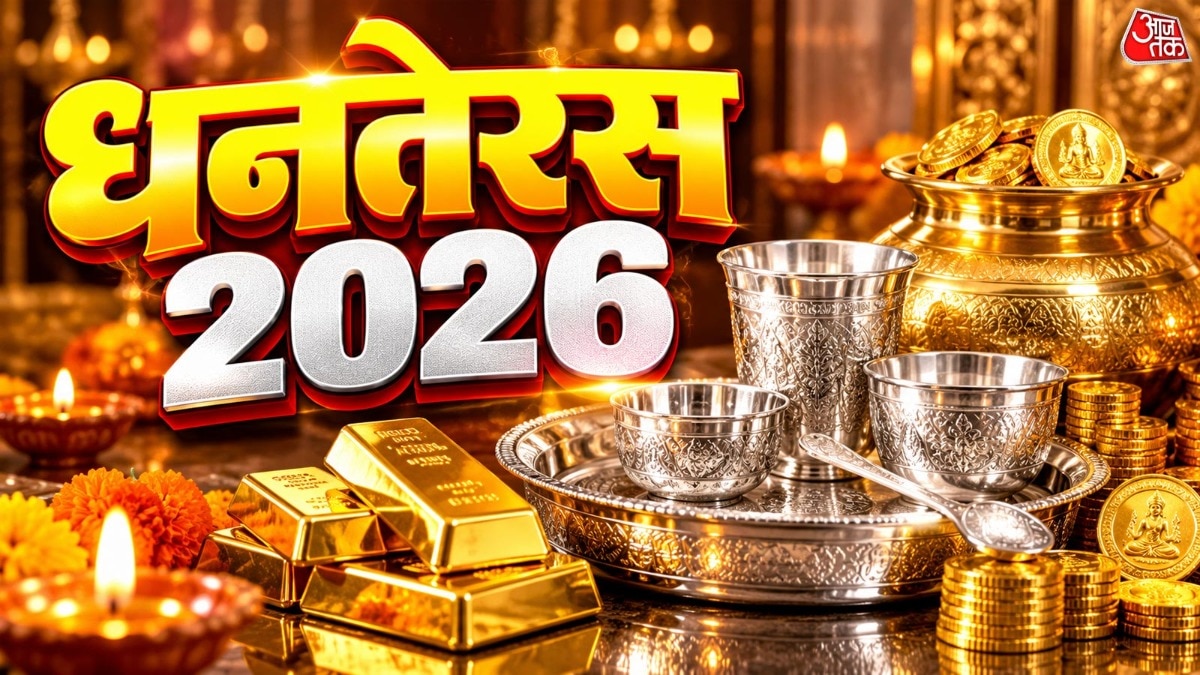
Dhanteras, the opening day of the Diwali festival season, is traditionally considered an auspicious occasion for making purchases, particularly of precious metals and household items. However, Hindu customs prescribe specific restrictions on what should and should not be bought on this day to ensure prosperity and ward off negative influences.
According to religious teachings, five categories of items are considered inauspicious to purchase during Dhanteras. These include sharp implements such as knives and scissors, which are believed to symbolize separation and loss. Similarly, black-colored items, broken or damaged goods, leather products, and certain utensils are traditionally avoided, as they are thought to invite misfortune into the home.
Conversely, several purchases are considered highly auspicious for Dhanteras. Gold and silver jewelry and coins are regarded as propitious investments that attract wealth and prosperity. New cookware and kitchenware, particularly brass and copper vessels, are believed to bring good fortune to the household. Additionally, purchasing new clothes, footwear, and household furnishings are considered favorable activities for this occasion.
Religious experts emphasize that the underlying principle behind these guidelines is the symbolic nature of objects. Purchases made on Dhanteras are believed to set the tone for the year ahead, making conscious selection important to practitioners of these traditions.
While these customs remain deeply embedded in Indian culture, adherents are encouraged to make purchases that align with both their spiritual beliefs and practical household needs during the festive season.