World · India Bureau
Dhanteras: Understanding the significance of India's wealth festival
Dhanteras, observed on the new moon day in the Hindu month of Kartik, carries deep spiritual and economic significance in Indian culture. The festival's name and traditions reflect centuries-old beliefs about prosperity and protection.
LSN India ·
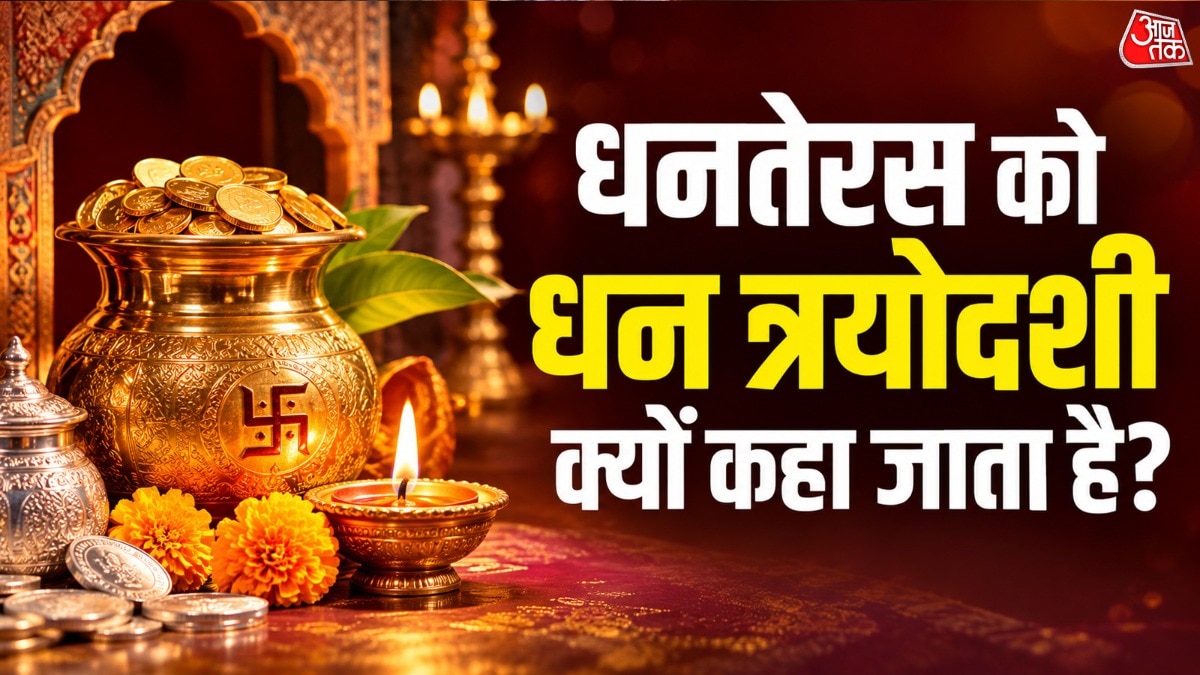
Dhanteras derives its name from two Sanskrit words: 'Dhan' meaning wealth and 'Trayodashi' referring to the thirteenth lunar day. Celebrated thirteen days before Diwali, the festival marks the beginning of the festive season across India and is observed primarily in Hindu, Sikh, Jain and Buddhist communities.
According to Hindu mythology, Dhanteras commemorates the churning of the ocean of milk by gods and demons, from which emerged Lakshmi, the goddess of wealth and prosperity, along with other treasures. The festival is believed to be auspicious for acquiring precious metals and initiating new ventures, with many households purchasing gold and silver on this day as a symbol of inviting wealth and good fortune.
The tradition of buying gold and silver jewelry during Dhanteras is not merely a consumer practice but is rooted in the belief that precious metals purchased on this day bring prosperity throughout the year. Many Indian families consider it essential to make at least a small purchase of gold or silver to ensure household wealth and protection.
Beyond material acquisitions, Dhanteras also emphasizes the importance of financial prudence and savings. Families often use the occasion to assess their finances and plan for future investments. The festival serves as a cultural reminder of the significance of wealth not as an end in itself, but as a means to ensure family security and contribute to societal welfare.
In contemporary India, Dhanteras continues to hold commercial importance, with jewelry markets and financial institutions witnessing increased activity. The festival's observance has evolved to include both traditional rituals and modern financial planning, reflecting the changing yet culturally-rooted relationship Indians maintain with prosperity and wealth.