Culture & Entertainment · India Bureau
Dharma concept distinct from Western religion, says RSS chief Bhagwat
RSS chief Mohan Bhagwat drew a distinction between India's philosophical understanding of dharma and Western interpretations of religion on Friday, arguing that the nation's secular framework stems from its tradition of religious pluralism rather than institutional conflicts.
LSN India ·
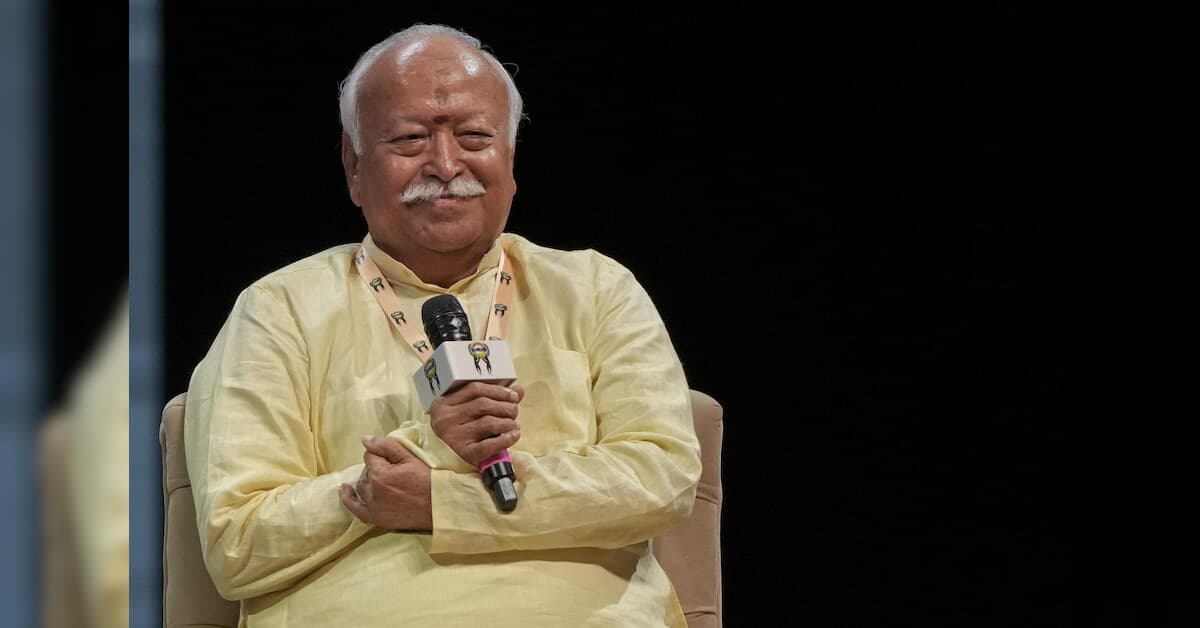
Addressing approximately 1,700 young participants at the 'Yuva Dharma Sansad' event, Bhagwat contended that India's approach to secularism—termed 'panth-nirpekshata'—reflects a foundational principle of non-discrimination across faiths. "Our state has always been intermingling. It does not discriminate among its people," he stated, characterising this inclusive approach as defining India's secular ethos.
Bhagwat highlighted a fundamental divergence in how Eastern and Western societies conceptualise the relationship between faith and governance. The RSS chief noted that Western secularism emerged from historical conflicts between political rulers and religious institutions, creating a framework centred on their separation. India's context, he argued, differed substantially, as the nation had traditionally integrated spiritual and material dimensions of life without positioning them in opposition.
The remarks come as the RSS intensifies engagement with Generation Z audiences, a demographic shift that Bhagwat expressed satisfaction about. "I am pleased to see young people engaging with dharma at a time when some dismiss it as an antiquated concern," he noted, underscoring the organisation's broader strategy to frame philosophical and cultural concepts as relevant to contemporary youth discourse.
This outreach represents a renewed RSS focus on younger demographics, particularly following recent student mobilisation around national examination reforms, signalling the organisation's attempt to broaden its appeal beyond traditional constituencies.