World · India Bureau
Diana's Legacy Continues to Evolve Decades After Her Death
Princess Diana remains a defining cultural figure more than two decades after her tragic passing, with her story continuously reinterpreted through new accounts and perspectives. Her brother's recent memoir adds to the ongoing narrative around her life and relationships.
LSN India ·
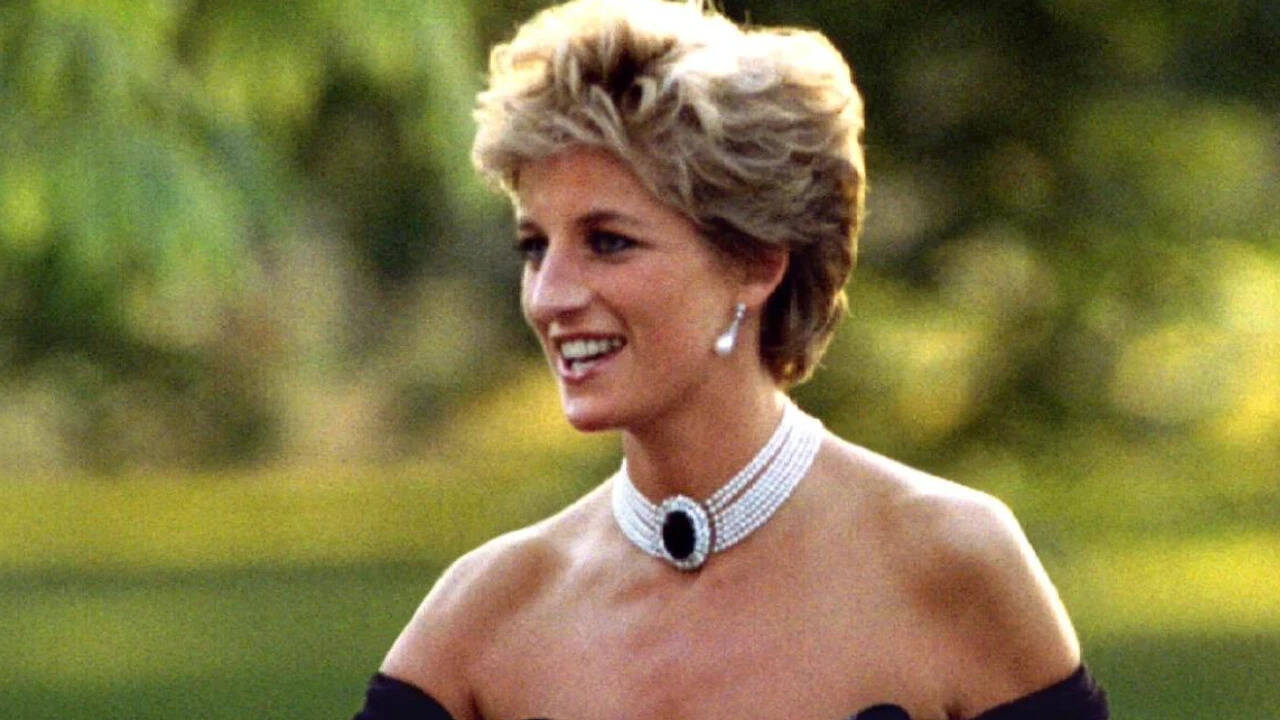
Princess Diana, who died in 1997, continues to captivate global audiences as various individuals and institutions offer competing interpretations of her life and character. Far from fading into history, the late Princess of Wales has become a figure through which different communities construct meaning and identity, keeping her story alive in contemporary consciousness.
Recent contributions to Diana's legacy include personal accounts from those closest to her. Her brother, Charles Spencer, has published a memoir that provides his perspective on her relationships and enduring influence. Such intimate accounts add layers to the public understanding of Diana beyond the media narratives that dominated her life.
The evolution of Diana's story reflects broader patterns in how historical figures are remembered and reinterpreted across generations. Different groups—from cultural commentators to academic institutions—continue to engage with her legacy, each offering distinct viewpoints on who she was and what she represented. This ongoing reassessment demonstrates that her impact transcends the immediate aftermath of her death.
Diana's influence extends across continents, resonating particularly with audiences who see in her narrative themes of personal struggle, duty, and compassion. Her commitment to humanitarian causes, especially regarding landmine awareness and HIV/AIDS advocacy, remains relevant to contemporary social movements. Nearly three decades after her passing, Diana's story continues to shape conversations about privilege, duty, and social responsibility in societies across South and Southeast Asia and beyond.