World · India Bureau
Digital Detox Dining: Can Phone-Free Restaurants Take Root in India?
As restaurants worldwide experiment with no-phone policies, Indian dining establishments are weighing whether such initiatives can succeed in a mobile-first market. The concept challenges deeply ingrained eating habits while raising questions about feasibility and customer acceptance.
LSN India ·
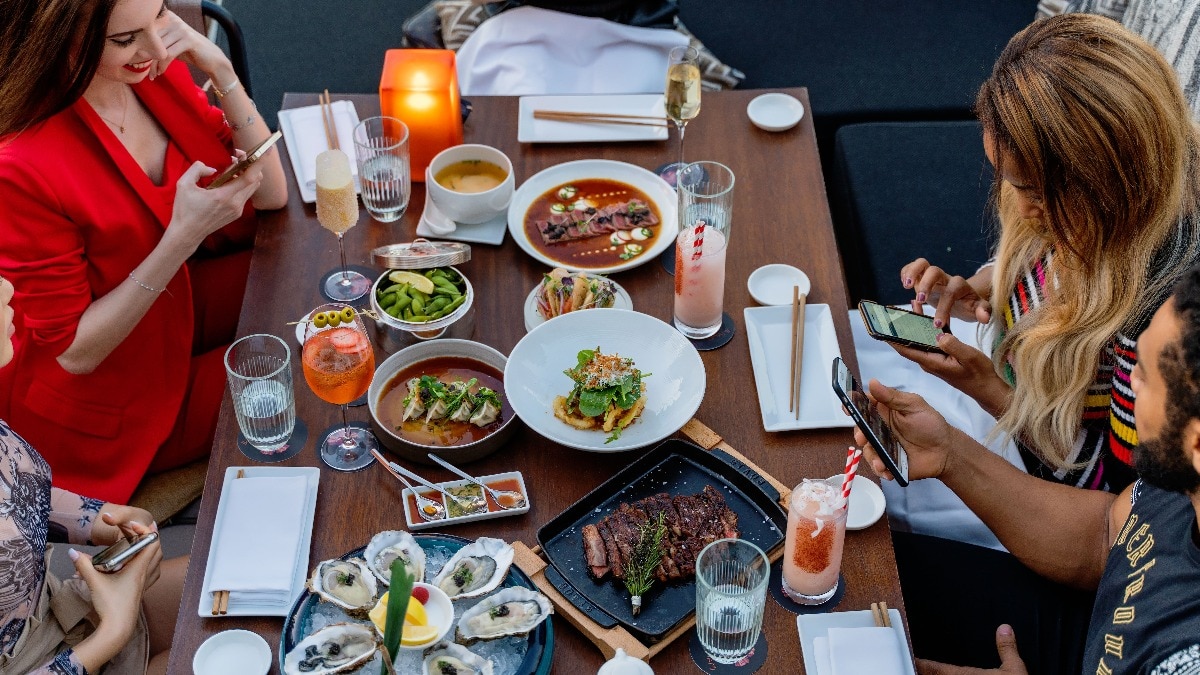
The practice of phone-free dining, where establishments discourage or prohibit mobile device usage during meals, has gained traction globally as restaurants seek to encourage face-to-face interaction and slower dining experiences. Some international venues have implemented outright bans on smartphones, while others offer incentives for diners who refrain from using phones during their meals.
For Indian restaurants, adopting such policies presents a complex proposition. India's rapidly growing smartphone user base and the centrality of mobile devices in daily life mean that many diners have become accustomed to using phones while eating—whether for social media, messaging, or payment methods. Additionally, the smartphone serves as a primary tool for ordering food, making reservations, and accessing restaurant information.
Restaurants considering phone-free initiatives must navigate practical challenges, including resistance from patrons and questions about enforcement. Some establishments have explored compromises, such as designated phone-free zones or specific hours when the policy applies, rather than blanket bans across entire venues.
Industry observers suggest that any successful implementation would likely require buy-in from customers who see genuine value in the concept. For phone-free dining to gain traction in India, restaurants may need to position it as a premium or experiential offering rather than a universal requirement, while ensuring alternative methods for payments and reservations remain available to diners.