Technology · India Bureau
Digital divide widens for Indian students with disabilities in classrooms
Despite a policy shift toward inclusive education, students with disabilities continue to face significant gaps in digital access and remedial learning support across Indian schools. Experts warn that implementation gaps threaten to undermine inclusive education goals without urgent intervention.
LSN India ·
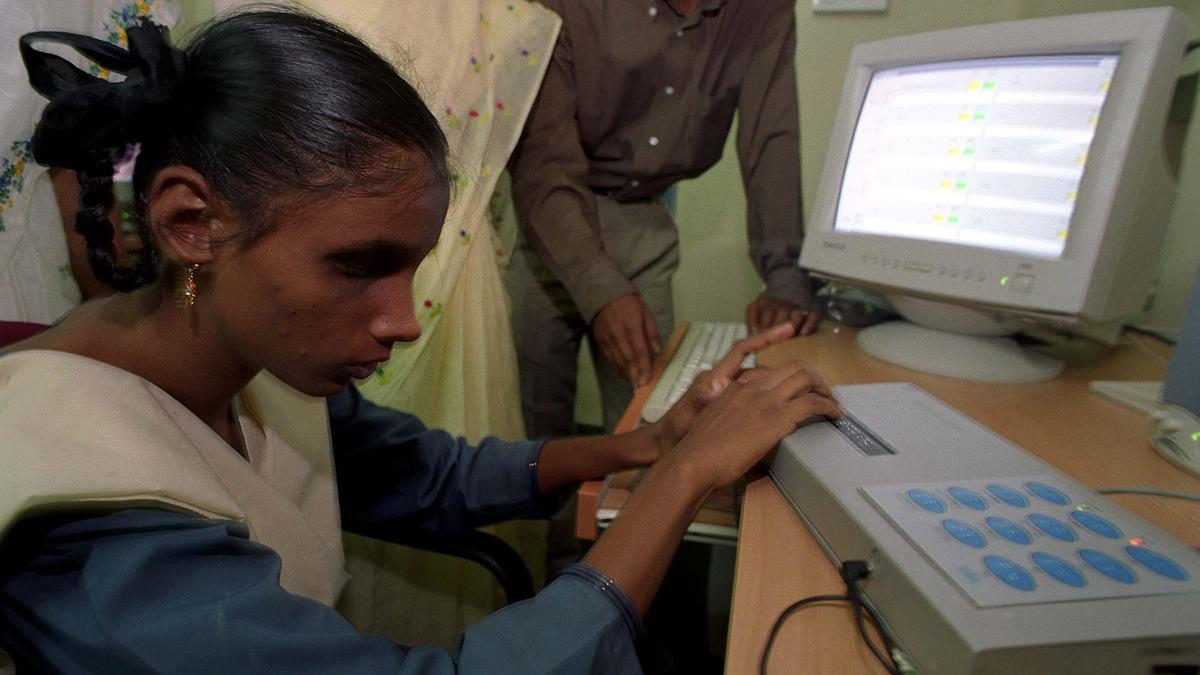
India's education system has moved away from exclusionary practices toward inclusive models that aim to accommodate students with varying needs in mainstream classrooms. However, this transition remains uneven across states and institutions, leaving many students with disabilities disadvantaged in both physical and digital learning environments.
The challenge is particularly acute in the digital sphere. As schools increasingly rely on online platforms and digital tools—especially following the pandemic—students with disabilities often lack adequate technological accommodations, assistive devices, or accessible learning materials. This digital divide compounds existing barriers, preventing equitable access to curriculum and learning resources available to their peers.
Experts point to remedial learning gaps as another critical concern. Many institutions lack trained staff capable of providing specialized support tailored to different disabilities, from visual and hearing impairments to learning disabilities. The absence of customized teaching methodologies means these students frequently fall behind academically despite being physically present in classrooms.
To bridge these gaps, stakeholders emphasize the need for sustained awareness campaigns, comprehensive teacher training programs, and institutional commitment to accessibility standards. Schools must invest in assistive technologies, develop inclusive curricula, and establish support systems that recognize each student's unique requirements. Without these measures, experts warn, the promise of inclusive education will remain unrealized for many of India's most vulnerable learners.