World · India Bureau
Digital Farm IDs Set to Revolutionize Indian Agriculture
India is moving beyond pilot projects to implement comprehensive digital identification systems for farmers and their agricultural land. The integration of satellite mapping and farmer databases aims to streamline government benefits delivery and improve crop management.
LSN India ·
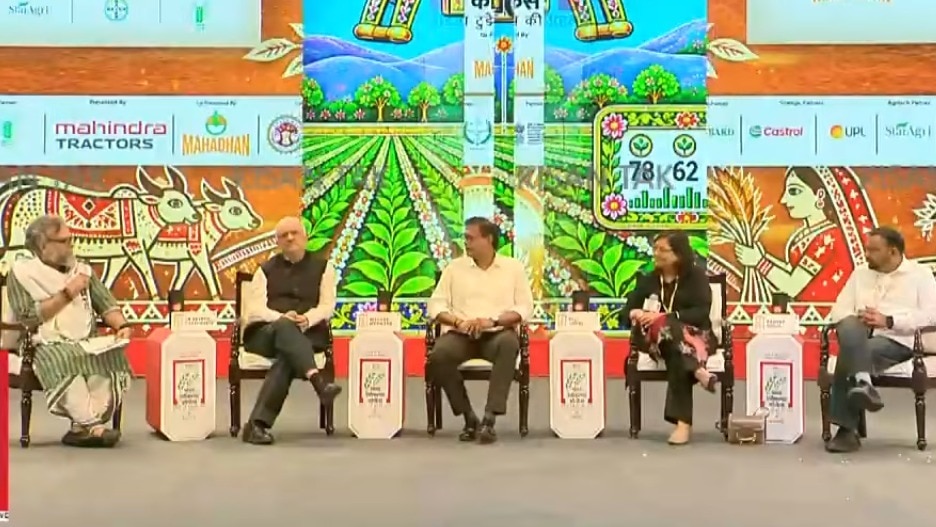
Digital technology in farming has transitioned from experimental phase to widespread implementation across India, with authorities establishing unique digital identities for farmers and conducting detailed satellite surveys of agricultural holdings. The initiative combines farmer identification systems with geospatial mapping to create comprehensive digital records of cultivated land and farming operations.
The digitization effort is expected to yield multiple benefits for India's agricultural sector. By maintaining accurate farmer registries and mapped land databases, the government can ensure that subsidies, crop insurance schemes, and other agricultural support programmes reach intended beneficiaries more effectively. The system should eliminate duplications and reduce leakages in benefit distribution.
Beyond benefit delivery, digital farm records will enable more precise crop loss assessment during disasters and adverse weather events. Insurance claims and compensation can be processed based on verifiable satellite data rather than manual surveys, accelerating the claims settlement process for affected farmers.
The digital infrastructure also facilitates data-driven advisory services to farmers. Integration of weather data with crop records allows agricultural departments to provide customized guidance tailored to specific geographic regions and farming conditions. Extension officers can deliver timely recommendations on planting, irrigation, and pest management based on localized information rather than generic advisories.
The comprehensive digitization of India's farming landscape represents a significant step toward modernizing agricultural administration and supporting the country's farming community through technology-enabled services and transparent benefit delivery mechanisms.