Business · India Bureau
Digital skills gap keeps women out of India's booming platform economy
Despite achieving near-parity in bank account ownership, women remain significantly underrepresented in India's platform work sector due to persistent gaps in digital capability and access to credit, according to a new report.
LSN India ·
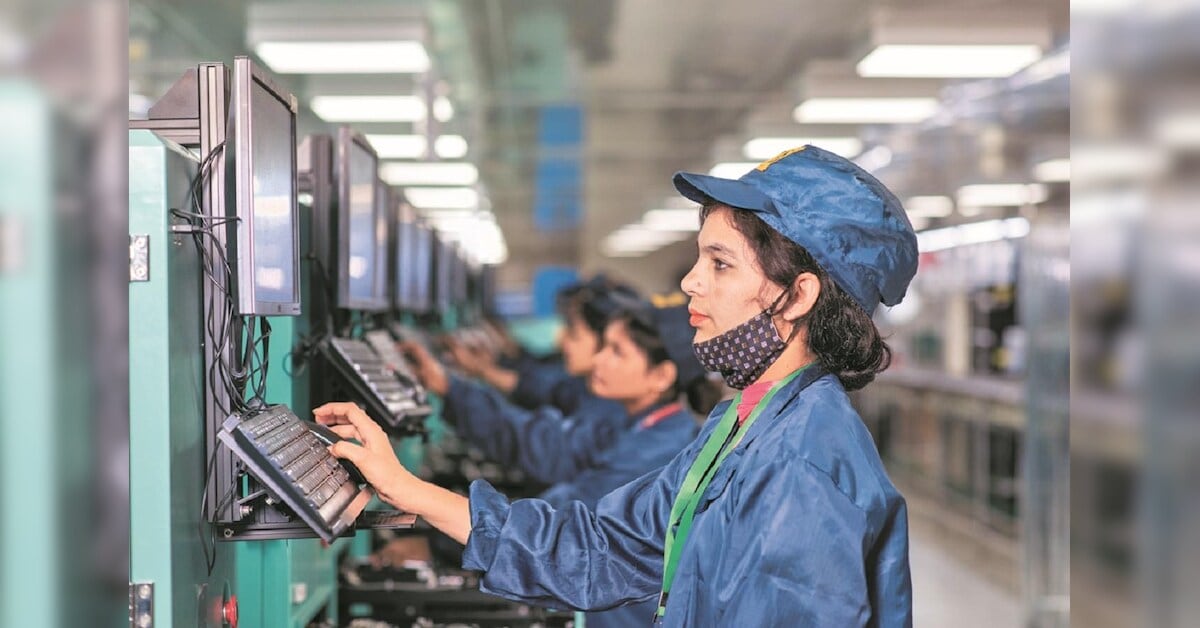
Women's participation in India's rapidly expanding platform economy continues to lag substantially behind men, even as financial inclusion metrics show improved access to banking services across gender lines. A recent analysis reveals that digital literacy and limited credit availability remain formidable barriers preventing women from entering gig work opportunities, which have emerged as a significant employment avenue in the country.
The findings underscore a critical paradox in India's digital economy landscape. While banking initiatives have successfully extended account ownership to women at near-equal rates compared to men, this access has not translated into meaningful participation in platform-based work such as ride-sharing, delivery services, and freelance digital roles. The report identifies digital capability—encompassing skills in using smartphones, payment applications, and online platforms—as a primary constraint.
Credit constraints compound the challenge, as many platform-based workers require initial capital investments for equipment or to cover operational expenses before generating income. Women's limited access to formal credit channels and reluctance among lenders to extend loans without traditional collateral has further widened the participation gap. Financial institutions have been slower to develop credit products tailored to the needs of platform workers, particularly women entrepreneurs.
The analysis suggests that closing India's platform economy gender gap will require targeted interventions beyond traditional financial inclusion programs. Policymakers and industry stakeholders are increasingly recognizing the need for digital skills training initiatives, simplified credit mechanisms, and platform-specific support services to enable women's fuller participation in this growing economic segment.