Culture & Entertainment · Malaysia Bureau
Dikir barat's improvisation masters grow scarce as tradition fades
The role of tukang karut, the skilled improviser at the heart of Malaysia's traditional dikir barat performance, faces an uncertain future as fewer artists master this demanding art form. The shortage threatens one of the region's most vibrant cultural expressions.
LSN Malaysia ·
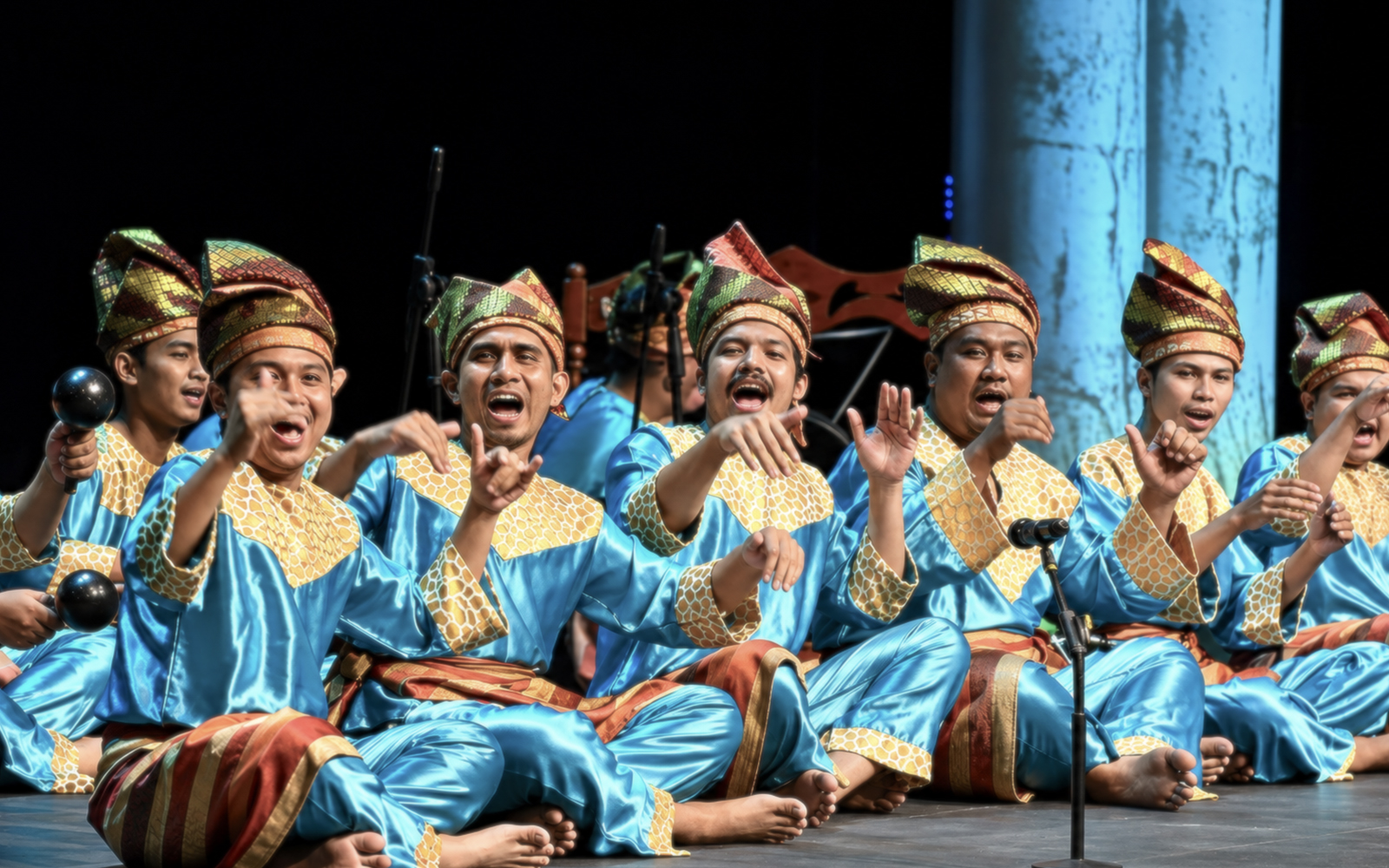
Dikir barat, the energetic call-and-response musical tradition rooted in Malay-Muslim culture, has long captivated audiences across Malaysia and Brunei with its rhythmic chanting, rapid-fire wit, and collective participation. Yet beneath the surface of this seemingly robust tradition lies a growing concern: the art of the tukang karut—the lead improviser who spontaneously crafts verses and rhymes while maintaining the performance's intricate structure—is becoming increasingly rare.
The tukang karut occupies a uniquely challenging position within dikir barat ensembles. Unlike the supporting singers and musicians who follow established patterns, these virtuosos must think on their feet, weaving together clever wordplay, social commentary, and poetic flourishes in real time. The role demands not only linguistic prowess and musical knowledge but also years of dedicated practice and deep cultural understanding.
Traditional practitioners point to shifting demographics and changing entertainment preferences as primary culprits in the shortage. Younger generations, increasingly drawn to modern music forms and digital entertainment, have shown less interest in pursuing the rigorous training required to become a tukang karut. The decline threatens to hollow out dikir barat performances, transforming them from dynamic artistic showcases into mechanical repetitions of memorised routines.
Cultural organisations and heritage advocates across Malaysia are now grappling with strategies to preserve this crucial role. Some have launched mentorship programmes pairing experienced tukang karut with promising students, while others have integrated dikir barat training into school curricula. However, many warn that without sustained interest and support, the tradition's most demanding—and most essential—position may soon disappear entirely, taking with it centuries of accumulated artistic skill and cultural memory.