World · India Bureau
Dining habits and household wellness: What Vastu principles suggest
According to traditional Vastu Shastra principles, the way Indians consume meals—whether seated on the floor or at a dining table—may influence household health and financial well-being. Experts point to specific dietary practices believed to affect domestic harmony and prosperity.
LSN India ·
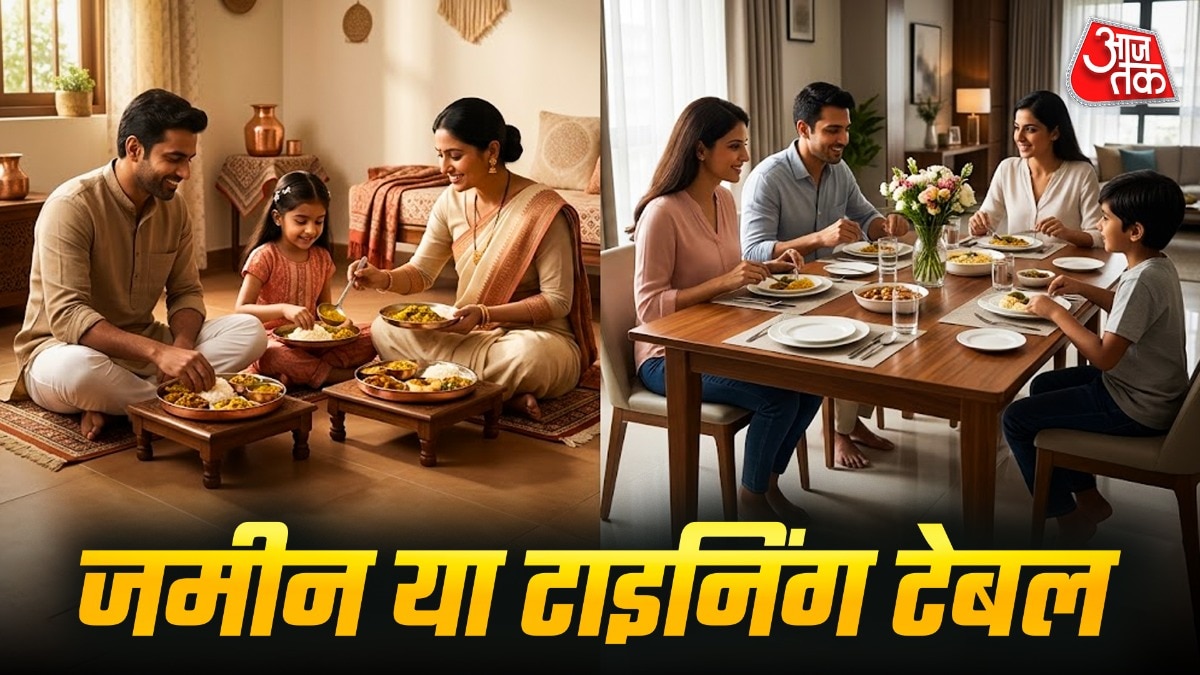
Vastu Shastra, the ancient Indian system of architecture and design, extends beyond building layouts to encompass daily household practices, including dining customs. Practitioners of Vastu philosophy suggest that the manner in which family members take meals can have implications for overall household wellness and financial stability.
Traditional Vastu guidance recommends specific approaches to mealtime practices. According to these principles, floor-based dining—a practice common in many Indian households—should follow certain protocols to align with Vastu guidelines. Similarly, the choice of dining furniture, including the shape and orientation of tables, is believed to carry significance within the framework of Vastu philosophy.
Proponents argue that improper dining practices, when assessed through a Vastu lens, may inadvertently invite health ailments and financial difficulties into a household. The positioning of dining spaces, the direction individuals face while eating, and the overall arrangement of kitchen and dining areas are all considered relevant factors in this traditional belief system.
Vastu experts recommend consulting established principles when arranging dining spaces and establishing mealtime routines. Those interested in aligning their homes with Vastu philosophy are encouraged to review specific guidance on dining practices, which form part of the broader Vastu framework governing household arrangements and daily rituals.