World · World News Bureau
Dinosaur extinction paved way for giant fungus species, scientists find
A massive fungal organism discovered in Oregon represents one of Earth's largest living organisms, with scientists tracing its emergence to ecological conditions created by the mass extinction event that killed the dinosaurs 66 million years ago.
LSN World News ·
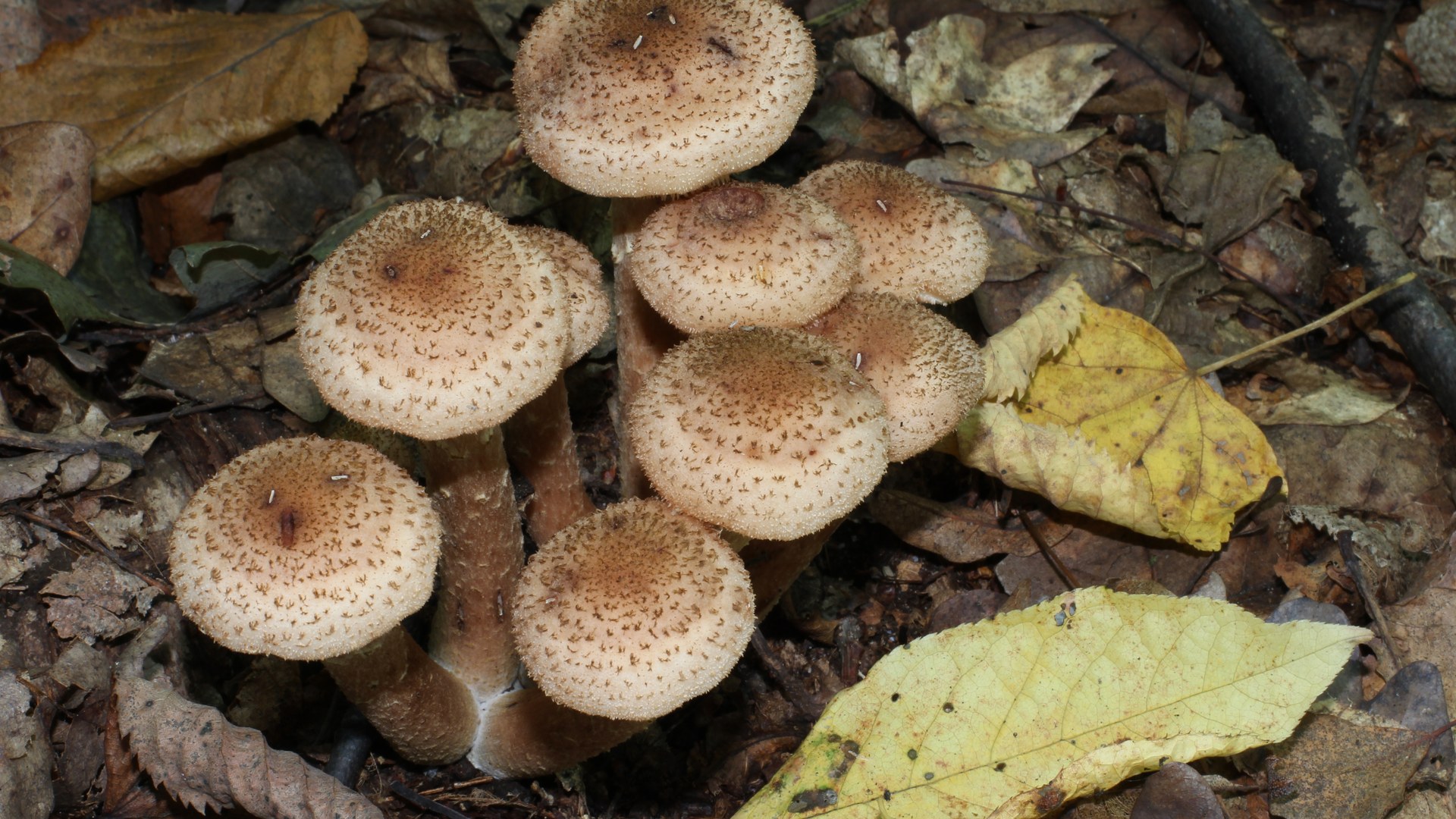
Scientists have identified a direct link between the catastrophic extinction event that eliminated dinosaurs and the emergence of Armillaria ostoyae, commonly known as the honey fungus or "D. rex," one of the planet's most colossal living organisms.
The fungal giant, which spans thousands of acres in eastern Oregon's Malheur National Forest, represents a remarkable example of how mass extinction events reshape ecosystems and create opportunities for new species to flourish. Researchers determined that the environmental upheaval triggered by the asteroid impact 66 million years ago fundamentally altered forest composition and nutrient cycling patterns.
Following the dinosaurs' demise, massive die-offs of forest vegetation and subsequent landscape changes created ideal conditions for fungal proliferation. Over millions of years, these environmental conditions allowed certain fungal species to expand exponentially, ultimately giving rise to the enormous organisms observed today.
The honey fungus operates largely underground through a vast network of mycelium threads, deriving nutrients from decaying wood and tree root systems. Scientists estimate the Oregon specimen to be among Earth's oldest and largest single organisms by mass, demonstrating how extinction events can inadvertently create the conditions for life forms to reach extraordinary sizes.
This discovery provides fresh perspective on ecological succession following mass extinction events, illustrating how planetary catastrophes can trigger entirely new chapters in evolutionary history.
Photo: Honey fungus (Armillaria ostoyae) growing on the forest floor in Ukraine, September 2011. George Chernilevsky via Wikimedia Commons (public domain).