World · India Bureau
Diplomatic overtures: Regional powers discuss interfaith dynamics and geopolitical tensions
High-level discussions between regional powers have reportedly centered on evolving interfaith relations and strategic partnerships. The talks underscore shifting diplomatic alignments in South and West Asia amid broader geopolitical realignments.
LSN India ·
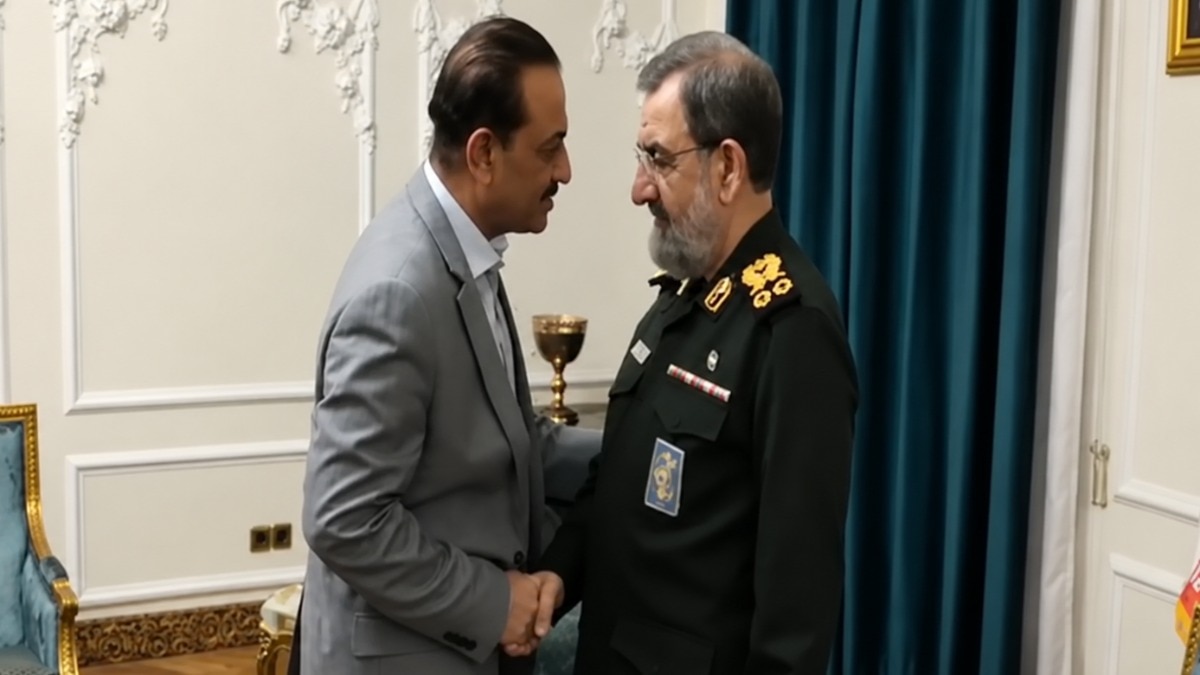
Senior diplomatic figures have engaged in multilateral discussions with key regional players including Turkey, Saudi Arabia, and Iran, reflecting ongoing efforts to navigate complex interfaith dynamics and strategic interests in the region. These conversations highlight the intricate interplay between religious communities and state-level foreign policy objectives that characterize contemporary South Asian and Middle Eastern relations.
The talks reportedly addressed emerging patterns of interfaith engagement and their implications for regional stability. Participants sought to understand how different religious and cultural communities are recalibrating their relationships amid shifting geopolitical currents and competing strategic interests among major powers.
Such diplomatic engagements underscore the significance of interfaith relations as a component of broader regional strategy. As nations pursue their foreign policy objectives, religious and communal dimensions increasingly feature in bilateral and multilateral discussions, reflecting recognition that social cohesion and intercommunal harmony remain critical factors in regional dynamics.
Analysts note that these discussions reflect efforts by regional stakeholders to manage tensions and build frameworks for cooperation across traditional dividing lines. The engagement of multiple state actors suggests a recognition that sustainable regional policies must account for the complex interplay between religious identity, national interest, and international relations.