World · India Bureau
Discarded Christmas trees become natural barriers in coastal restoration drive
New York has completed an innovative ecological project that repurposed 250 discarded Christmas trees as breakwaters to protect salt marshes. The initiative in Jamaica Bay demonstrates how recycled materials can support sustainable coastal restoration efforts.
LSN India ·
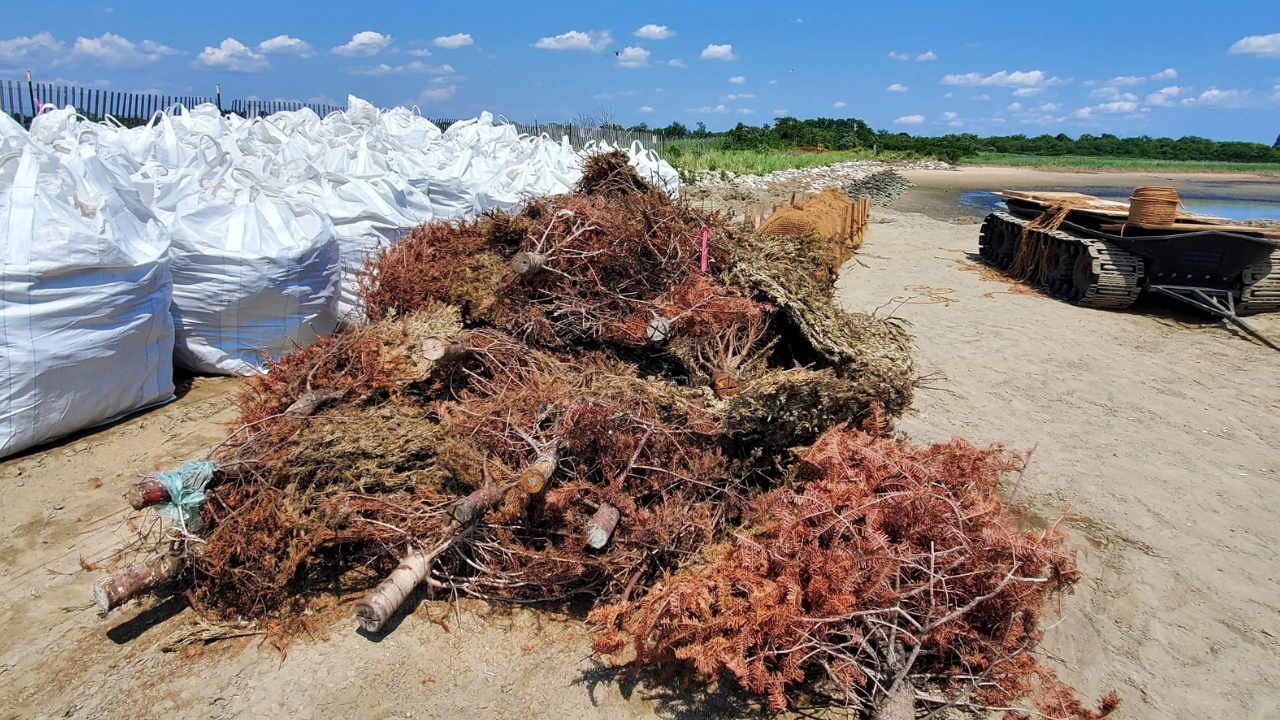
A wildlife refuge in Jamaica Bay has successfully transformed hundreds of post-holiday Christmas trees into functional natural barriers designed to protect fragile salt marsh ecosystems. The 2024 project enlisted 250 discarded trees that were strategically positioned to act as breakwaters, shielding newly established salt marsh vegetation from damaging wave erosion.
The recycled trees served a dual purpose in the ecological restoration initiative. By autumn, the structures had proven effective at trapping sediment, which gradually accumulated around and partially buried the trees within the marsh environment. This natural accumulation process accelerated the integration of the barriers into the surrounding landscape.
The project exemplifies an emerging approach to living shoreline systems, which prioritize natural materials and self-regulating mechanisms over traditional infrastructure. By harnessing the protective qualities of the tree barriers, the Jamaica Bay initiative strengthened the marsh's inherent resilience against erosion and environmental pressures. Environmental scientists view such hybrid restoration methods as promising pathways for enhancing coastal protection while supporting biodiversity.
The success of this initiative underscores the potential for circular economy principles in environmental management. Rather than treating holiday waste as refuse, the approach channels discarded materials into meaningful conservation work, reducing landfill burden while advancing restoration objectives in coastal regions vulnerable to erosion and climate impacts.