World · Bangladesh Bureau
Disease threatens nearly 40 percent of Sundarbans' iconic sundari trees
A significant portion of the Sundarbans' sundari tree population is facing disease-related challenges, raising concerns about the health of the world's largest mangrove forest. Experts are investigating the causes of the widespread affliction affecting the economically and ecologically vital trees.
LSN Bangladesh ·
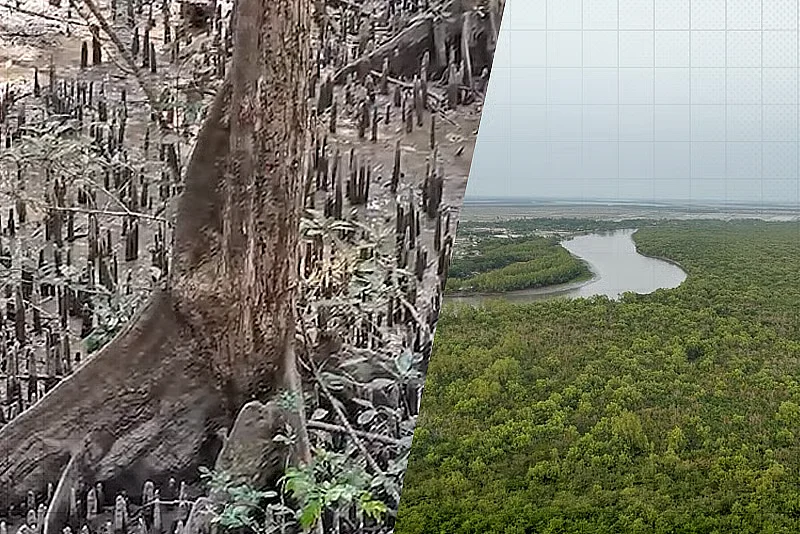
Nearly 40 percent of sundari trees in the Sundarbans are showing signs of disease, prompting renewed focus on the health of Bangladesh's most prized forest ecosystem. The sundari tree, which gives the mangrove forest its name, is both economically significant for timber production and crucial to the region's ecological balance.
The affected trees are distributed across various sections of the Sundarbans, which spans across Bangladesh, India, and the Bay of Bengal. Environmental and forestry specialists are working to determine the underlying causes of the disease outbreak, which could range from environmental degradation to pathogenic infections or a combination of stress factors.
The Sundarbans faces multiple challenges including climate change impacts, rising salinity levels, and natural disasters. Experts suggest these environmental pressures may be weakening the trees' resistance to disease, creating conditions for widespread affliction among the forest's vegetation.
Authorities have prioritized understanding the disease's nature and extent to develop effective management strategies. The situation underscores the fragility of the Sundarbans ecosystem and the need for sustained conservation efforts to protect this UNESCO World Heritage site and its biodiversity.