World · Bangladesh Bureau
Disease threatens nearly 40 percent of Sundari trees in Sundarbans
A significant portion of the Sundarbans' iconic Sundari trees face disease threats, raising concerns about the health of the world's largest mangrove forest. Experts warn that the deterioration could have cascading effects on the ecosystem and livelihoods dependent on the forest.
LSN Bangladesh ·
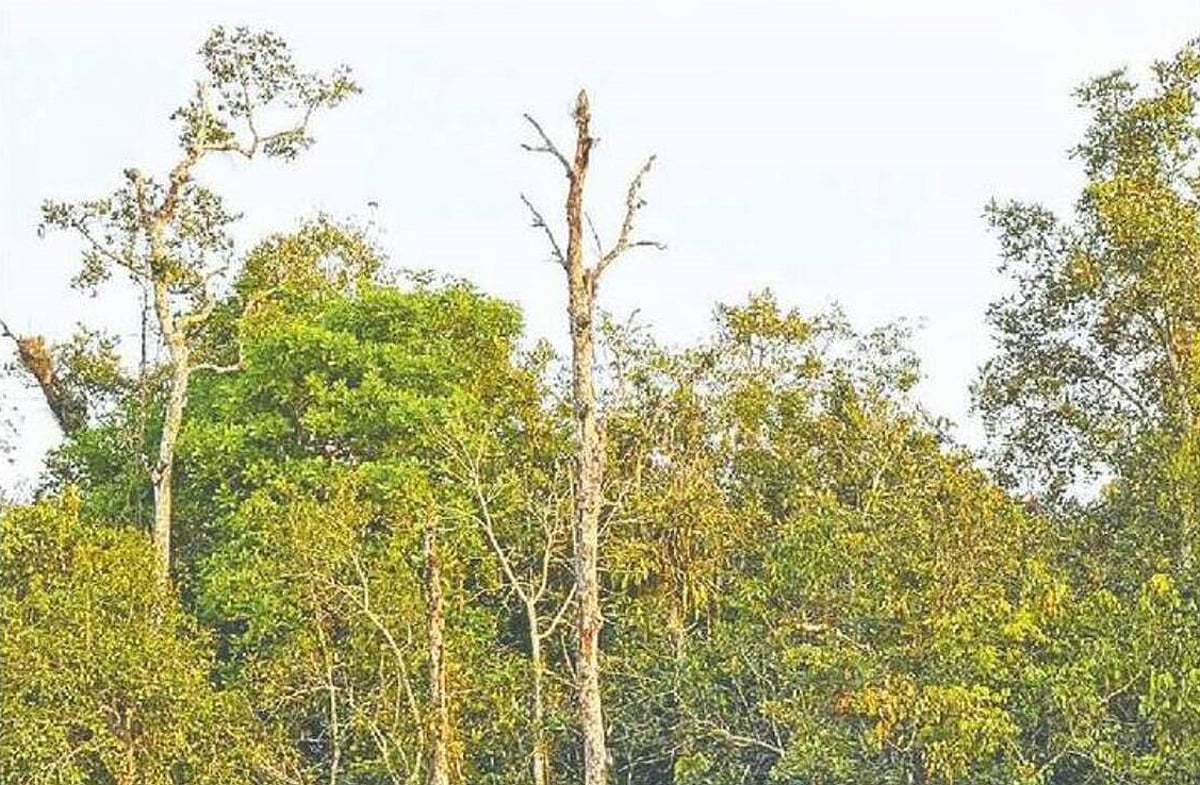
Nearly 39 percent of Sundari trees in the Sundarbans are affected by disease, according to recent assessments of the UNESCO World Heritage site that straddles the Bangladesh-India border. The Sundari tree, scientifically known as Heritiera fomes, is the dominant species in the mangrove forest and plays a crucial ecological role in maintaining the forest's structure and biodiversity.
The widespread disease affecting the trees has prompted concern among forest management authorities and conservation experts who monitor the health of the 10,000-square-kilometer forest. The Sundarbans, home to the endangered Bengal tiger and countless other species, depends heavily on the vitality of its Sundari population for ecological balance.
Forest officials have begun investigations into the causes and spread of the disease, which threatens not only the forest's biodiversity but also the livelihoods of thousands of people who depend on the Sundarbans for fishing, honey collection, and other forest-based activities. The affected trees range across different zones of the forest, indicating the disease's widespread nature.
Conservationists stress the urgency of developing a comprehensive strategy to combat the disease and protect the remaining healthy Sundari trees. Steps toward disease management and reforestation efforts are under consideration as authorities work to preserve one of the world's most vital and biodiverse mangrove ecosystems.