Culture & Entertainment · India Bureau
Displaced Virginia landowner never received 1935 park compensation
Melanchton Cliser was among hundreds of families forcibly evicted from their homes in the Blue Ridge Mountains during the 1930s to make way for Shenandoah National Park. Despite being compensated for his 46-acre property, Cliser reportedly never cashed the payment.
LSN India ·
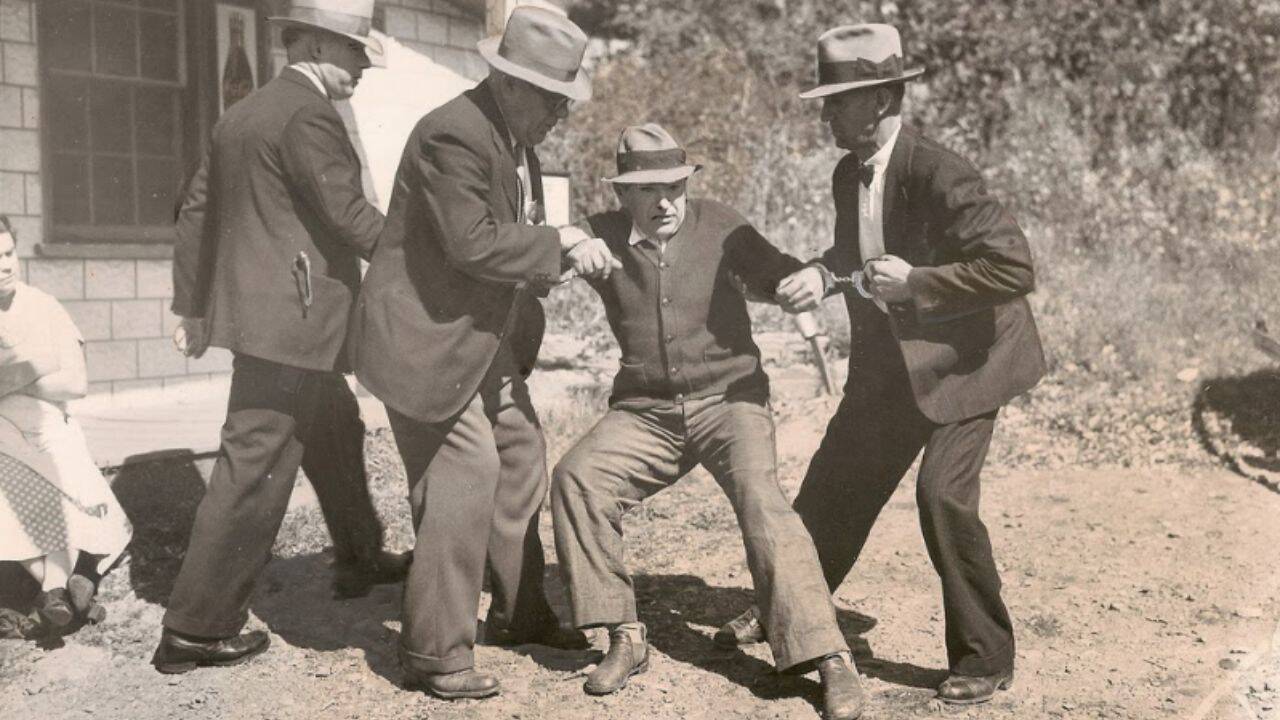
In October 1935, local law enforcement officers arrived at the Virginia home of Melanchton Cliser with orders to remove him and his family from the land. The sheriff and deputies handcuffed Cliser, removed his family's belongings, and sealed the house—a scene that played out across the Blue Ridge Mountains as the U.S. government acquired property for the newly established Shenandoah National Park.
Cliser had operated a gas station on his 46-acre plot along US Route 211, making his livelihood directly dependent on the land the government sought to acquire. Like many rural residents in the region, he was informed that his property would be taken for the greater public good, and compensation was arranged through the government's acquisition programme.
The evictions during the 1930s displaced hundreds of families from the mountainous region as the park took shape. While authorities provided monetary compensation for seized properties, records indicate that Cliser never cashed the payment he received. The circumstances surrounding his decision to forgo the money remain unclear, though his case exemplifies the often-contentious relationship between residents and park development efforts of that era.
The Shenandoah National Park project, though ultimately preserved as a national treasure, came at significant human cost to the communities that had inhabited the Blue Ridge Mountains for generations. Many displaced families relocated to towns and cities, fundamentally altering the demographic and cultural landscape of the region.