World · Sri Lanka Bureau
Distance and duty: Managing elderly parent care across South Asia
Growing numbers of adult children living abroad or in different cities grapple with guilt and anxiety over aging parents left behind. The phenomenon reflects broader demographic and economic shifts across South and Southeast Asia.
LSN Sri Lanka ·
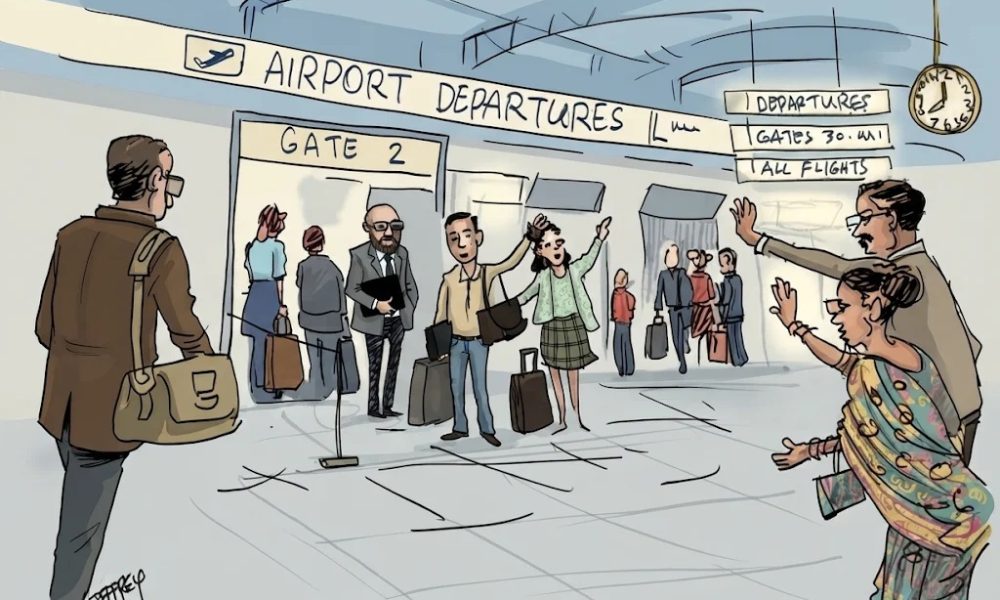
Migration for employment and educational opportunities has created a widespread challenge for families across South Asia: the emotional and practical burden of caring for elderly parents from a distance. Adult children working overseas or in major metropolitan centres frequently report a persistent sense of guilt and worry about their aging parents' wellbeing, compounded by geographic separation.
The phenomenon is particularly acute in countries like India and Sri Lanka, where family structures traditionally emphasize multigenerational households and filial responsibility. Yet economic pressures and limited local opportunities have prompted millions to seek work abroad or relocate to major cities, leaving elderly parents in their hometowns.
This distance creates a dual challenge: the psychological strain of separation and anxiety about parents' health, safety, and daily care needs. Many adult children struggle with the perception that they have abandoned their responsibilities, even when circumstances beyond their control necessitated their departure.
Families are increasingly exploring solutions including regular video calls, hiring domestic help, enrolling parents in elder care programs, and planning extended visits home. Some have turned to specialized services designed to monitor elderly relatives' wellbeing remotely.
Experts note that addressing this challenge requires both individual family strategies and broader policy support, including accessible healthcare, affordable elder care facilities, and workplace flexibility that allows periodic extended leave for family obligations.