World · India Bureau
Diwali firecracker smoke poses serious risks to respiratory health
Annual spike in air pollution during Diwali celebrations exposes millions to fine particles and toxic gases that damage lung function. Medical experts warn of both immediate respiratory effects and potential long-term health consequences.
LSN India ·
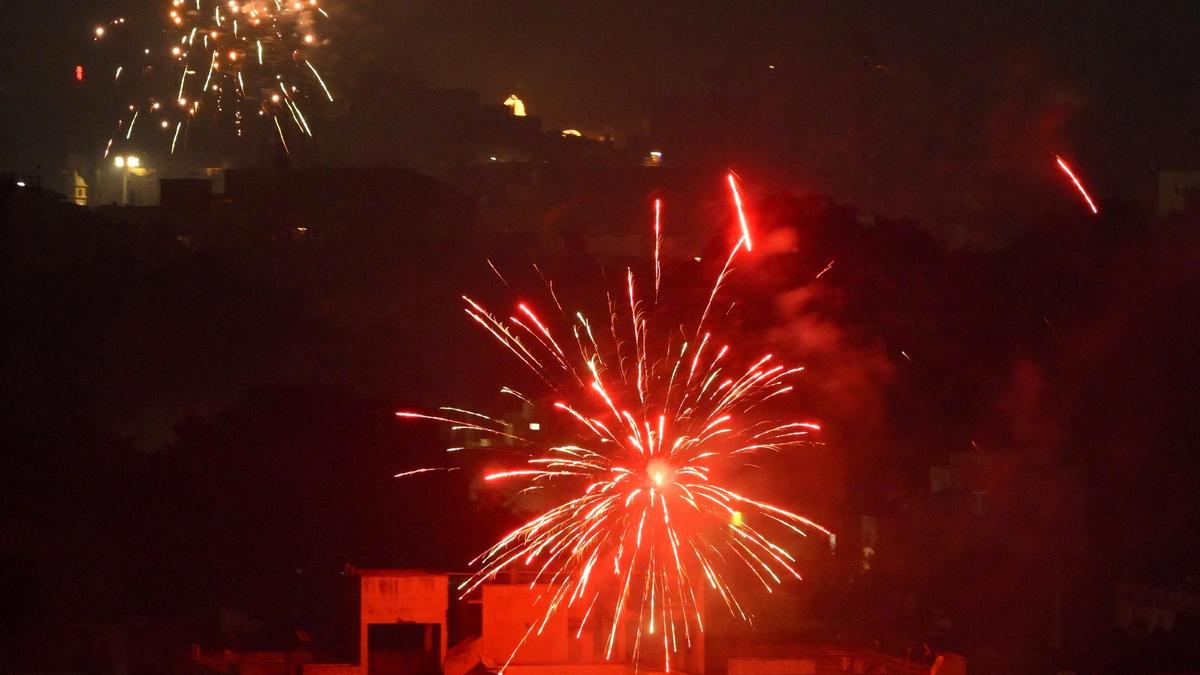
Firecracker emissions during Diwali festivities release a hazardous mix of fine particulate matter and harmful gases into the atmosphere, posing significant risks to respiratory health across India. These pollutants, particularly particles smaller than 2.5 microns, penetrate deep into the lungs and bloodstream, triggering immediate airway irritation and inflammation.
Health experts identify multiple pathways through which Diwali pollution affects lung function. The particulates and toxic compounds released from firecrackers cause airways to constrict, reduce oxygen intake, and trigger inflammatory responses in sensitive individuals. Those with pre-existing conditions such as asthma, chronic obstructive pulmonary disease, and allergies face heightened vulnerability during the pollution spike.
The health impact extends beyond the immediate festival period. While some respiratory irritation subsides as air quality normalises, medical research indicates that repeated annual exposure may contribute to cumulative lung damage and declining respiratory function over time. Children and elderly populations, whose lungs are still developing or have aged, face particular risk from prolonged exposure.
Experts recommend reducing firecracker use, improving ventilation in homes, and using air purifiers during peak pollution days. Individuals with respiratory conditions should consult healthcare providers about protective measures, including masks and preventive medications during the Diwali season. Public health officials continue emphasising awareness campaigns about the intersection between celebratory traditions and air quality deterioration.