World · India Bureau
Diwali Lamp Choices Tied to Wishes, Hindu Tradition Holds
Hindu tradition associates different types of oil lamps with specific aspirations during Diwali, with the number of wicks determining which desires worshippers should focus on when lighting diyas before Lakshmi.
LSN India ·
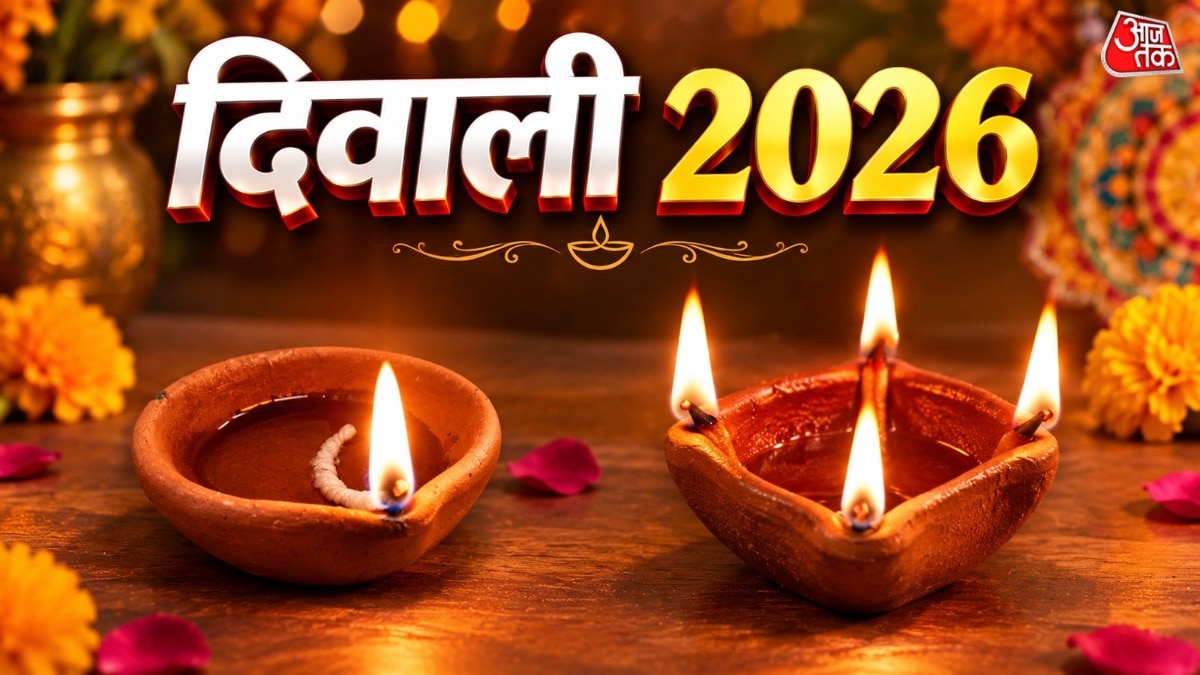
As Diwali approaches, devotees across India are consulting traditional practices to determine which lamps to light before the goddess of wealth, with religious customs linking the physical characteristics of diyas to different life aspirations.
According to Hindu tradition, the number of wicks or faces (mukhis) in an oil lamp carries symbolic significance. Single-wick diyas are associated with one set of intentions, while two-wick, three-wick, and progressively more complex lamp designs are believed to address different categories of wishes and spiritual goals.
The practice of diya-daan, or lamp offerings, has been observed for centuries, with practitioners selecting specific lamp configurations based on their personal aspirations. Those seeking financial prosperity, health, success in education, or other objectives are guided to light corresponding multi-wick variations during their Lakshmi Puja ceremonies.
Traditional Hindu scriptures describe six primary categories of diyas, each with distinct ritual significance. The variation extends from single-wick lamps to six-wick configurations, though practitioners note that the most commonly used options are one through four-wick designs for household worship.
While these traditions remain deeply rooted in Indian spiritual practice, devotees emphasize that the intention and devotion behind lighting a lamp is considered paramount, regardless of the specific configuration chosen.