World · India Bureau
DIY Cocopeat: Turn Coconut Husks Into Garden Gold at Home
Indian gardeners can skip expensive store-bought cocopeat by making it from discarded coconut shells at home. The homemade growing medium improves soil moisture retention and texture for healthier plants.
LSN India ·
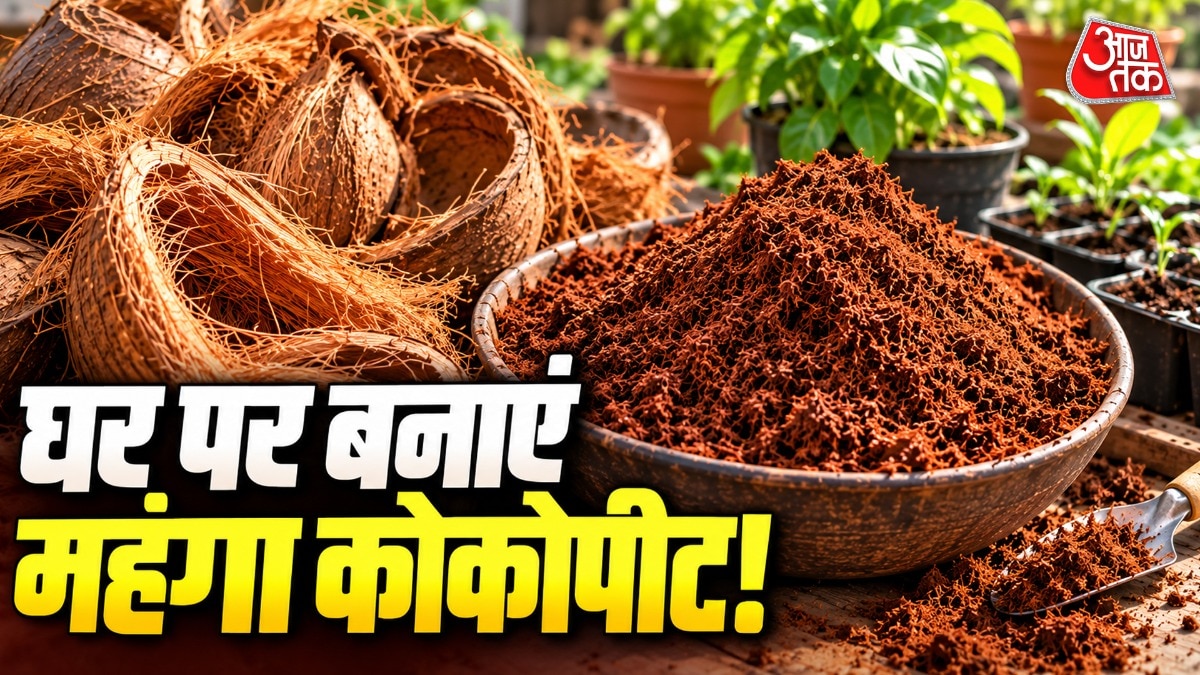
Coconut husks destined for the waste bin can be transformed into cocopeat, a valuable soil amendment that enhances plant growth without the premium price tag of commercial products. This sustainable practice is gaining traction among Indian home gardeners seeking cost-effective solutions for improving garden soil quality.
Cocopeat, also known as coir pith, is the fibrous material found between the hard coconut shell and the outer husk. When added to garden soil, it increases water-holding capacity while maintaining the loose, crumbly texture essential for healthy root development. The material is particularly beneficial for potted plants and raised beds, where soil quality directly impacts plant performance.
Producing homemade cocopeat requires collecting dried coconut husks and processing them through simple mechanical breakdown. The process involves drying the husks thoroughly, then crushing or grinding them into smaller particles. Once prepared, the cocopeat can be mixed into existing soil or used as a standalone growing medium for seeds and saplings.
Beyond cost savings, making cocopeat at home reduces household waste while eliminating the environmental footprint associated with purchasing commercial products. The technique requires minimal investment in tools or materials, making it accessible to gardeners across different economic backgrounds. For those managing multiple plants or maintaining larger gardens, homemade cocopeat production offers a practical, scalable solution to soil enhancement needs.