World · World News Bureau
DNA Testing Becomes Critical Tool in Nepal Flood Disaster Recovery
As Nepal grapples with identifying victims from recent flooding, forensic DNA analysis offers crucial assistance for bodies too severely damaged for visual recognition. The technique has become essential in disaster victim identification efforts across the region.
LSN World News ·
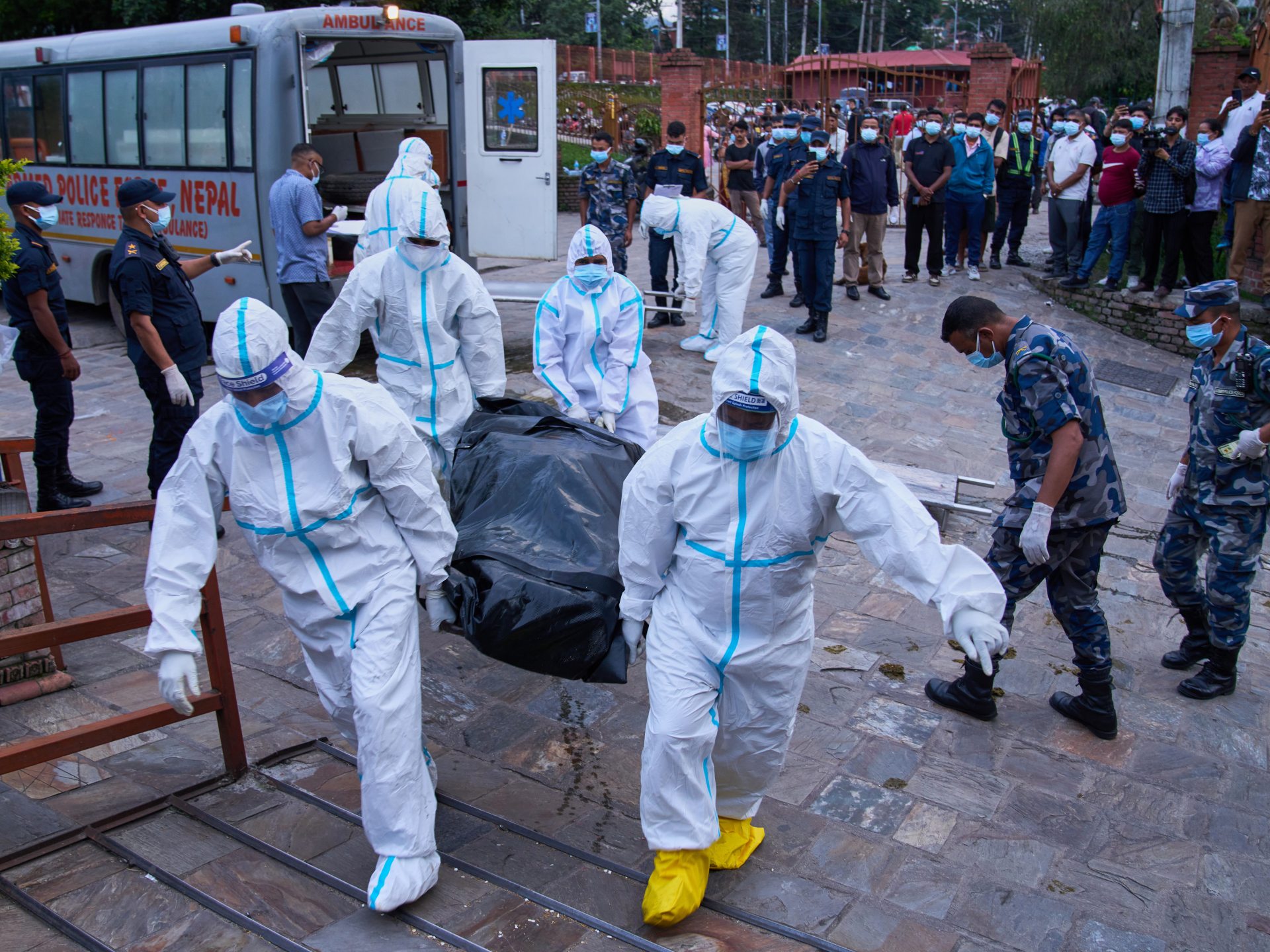
Identifying flood victims poses significant challenges for disaster response teams, particularly when bodies are severely mutilated or decomposed beyond recognition. DNA testing has emerged as a vital forensic tool in these circumstances, enabling authorities to confirm identities where traditional methods prove insufficient.
The DNA identification process involves extracting genetic material from deceased individuals and comparing it against reference samples from family members or existing records. This technique can work even with minimal biological material and remains reliable despite environmental exposure and decomposition, making it invaluable in large-scale disaster scenarios.
In Nepal's flooding crisis, forensic teams have employed DNA analysis alongside conventional identification methods including dental records and physical characteristics. The approach helps ensure accurate victim identification, which is essential for families seeking closure and for official casualty documentation.
Disaster victim identification using DNA has become increasingly common across South and Southeast Asia, where extreme weather events frequently result in mass casualties. While the process requires specialized equipment and trained personnel, the investment in forensic capacity has proven instrumental in managing the aftermath of major natural disasters.