World · India Bureau
DNA testing becomes lifeline for Nepal's flood disaster families
Hundreds of unidentified bodies recovered after devastating August floods in Nepal are being processed through DNA analysis to help grieving families locate missing relatives. The identification effort underscores the massive humanitarian challenge facing the Himalayan nation in the aftermath of the disaster.
LSN India ·
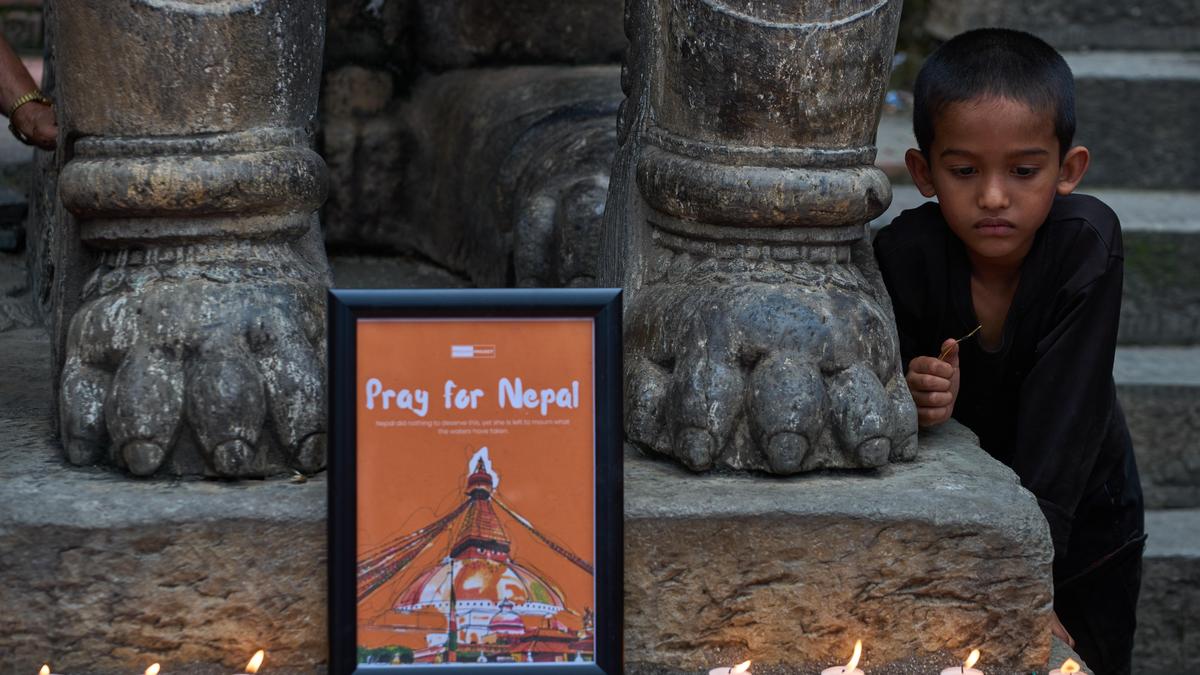
Nepal's authorities are turning to DNA testing as a critical tool to identify bodies recovered from the catastrophic August 26 floods and reunite them with grieving families desperately searching for missing loved ones. The scale of the crisis has overwhelmed conventional identification methods, with hundreds of recovered remains awaiting analysis as the death toll and missing persons count continue to mount.
The reliance on DNA identification reflects the severe nature of the flooding disaster and its impact on Nepal's capacity to manage the recovery operation. Many bodies have been damaged or decomposed due to prolonged exposure to water and harsh conditions, making visual identification and other traditional methods unreliable. Authorities have established testing facilities to process the backlog of remains and cross-reference results with DNA samples provided by families of the missing.
The process has become a crucial lifeline for relatives who have no other means of locating or confirming the fate of their family members. Many families have provided biological samples to authorities in the hope of identifying remains, while others continue searching through hospitals, temporary morgues, and relief camps. The identification effort is expected to take considerable time, adding to the emotional strain on communities already devastated by the disaster.
The floods have exposed vulnerabilities in Nepal's disaster management and victim identification infrastructure. Officials are working to accelerate the DNA testing process while simultaneously managing the immediate humanitarian crisis, including providing shelter, medical care, and psychosocial support to affected populations. The scale of reconstruction and recovery is expected to present long-term challenges for the country's resources and institutions.