World · India Bureau
DNA Testing Confirms Presence of Rare Eastern Pine Snake Without Direct Sighting
Wildlife researchers have successfully detected an elusive eastern pine snake through advanced genetic analysis, marking a significant development in non-invasive species monitoring. The breakthrough demonstrates how DNA sampling from environmental sources can identify cryptic wildlife populations without requiring direct observation.
LSN India ·
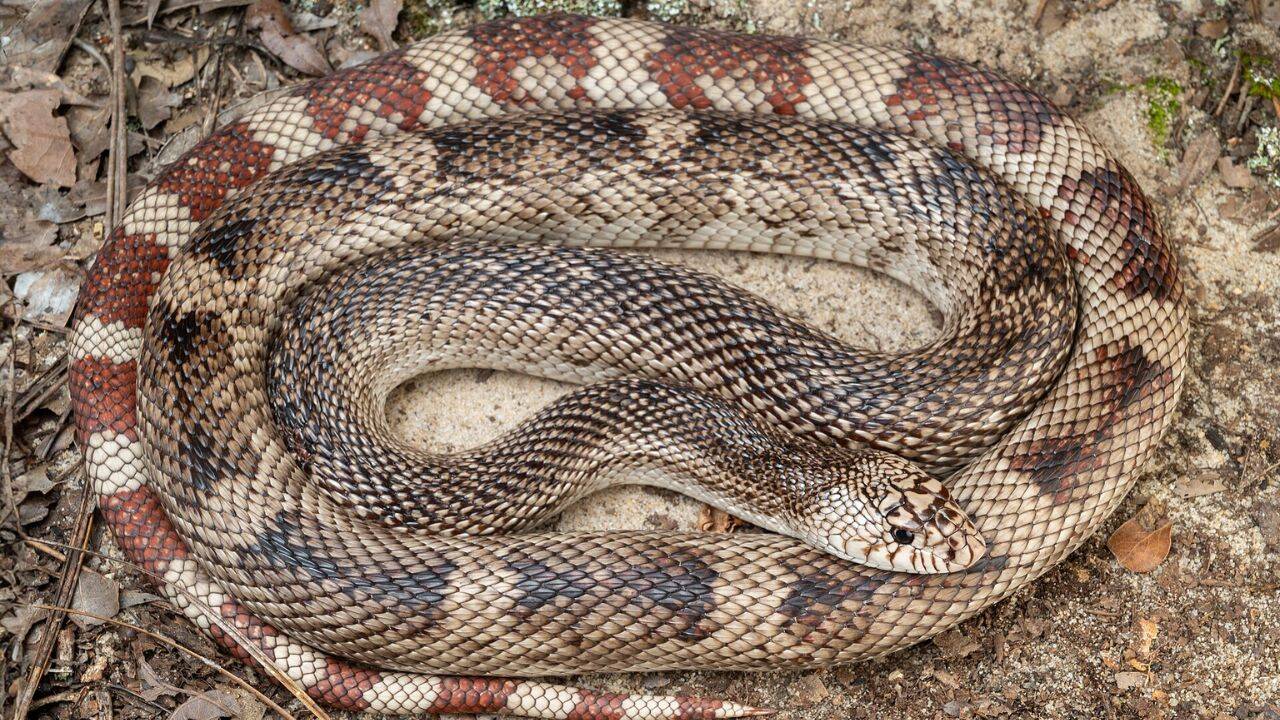
Conservation scientists have confirmed the presence of an eastern pine snake in its natural habitat through environmental DNA (eDNA) testing, a technique that identifies species by analyzing genetic material left in soil, water, or other substrates. This achievement represents a major advancement in wildlife detection methods, particularly for species that are difficult to locate and observe directly.
The eastern pine snake is notoriously elusive, spending considerable time in underground burrows and remaining largely hidden from conventional survey methods. Traditional wildlife monitoring approaches often fail to detect such secretive species, leading to incomplete assessments of their distribution and population status across their range.
Environmental DNA testing works by collecting samples from habitats where target species are suspected to live, then analyzing the genetic signatures present in those samples. This non-invasive approach has proven highly effective for detecting rare or cryptic animals, reducing the need for intensive fieldwork that can disturb sensitive ecosystems or endangered populations.
The successful identification of the eastern pine snake using eDNA technology offers conservationists a powerful tool for mapping species distributions and monitoring population changes over time. Researchers believe this method could be expanded to track numerous other elusive species across South and Southeast Asia, improving understanding of regional biodiversity and informing more targeted conservation strategies.