Culture & Entertainment · World News Bureau
Documentary draws criticism for recycling anti-Muslim stereotypes
A recently released film has drawn scrutiny from media critics and analysts who argue it relies on decades-old stereotypes about Muslims to characterize opponents of Israeli military operations in Gaza as extremists. The documentary has reignited debate about the use of religious tropes in political messaging.
LSN World News ·
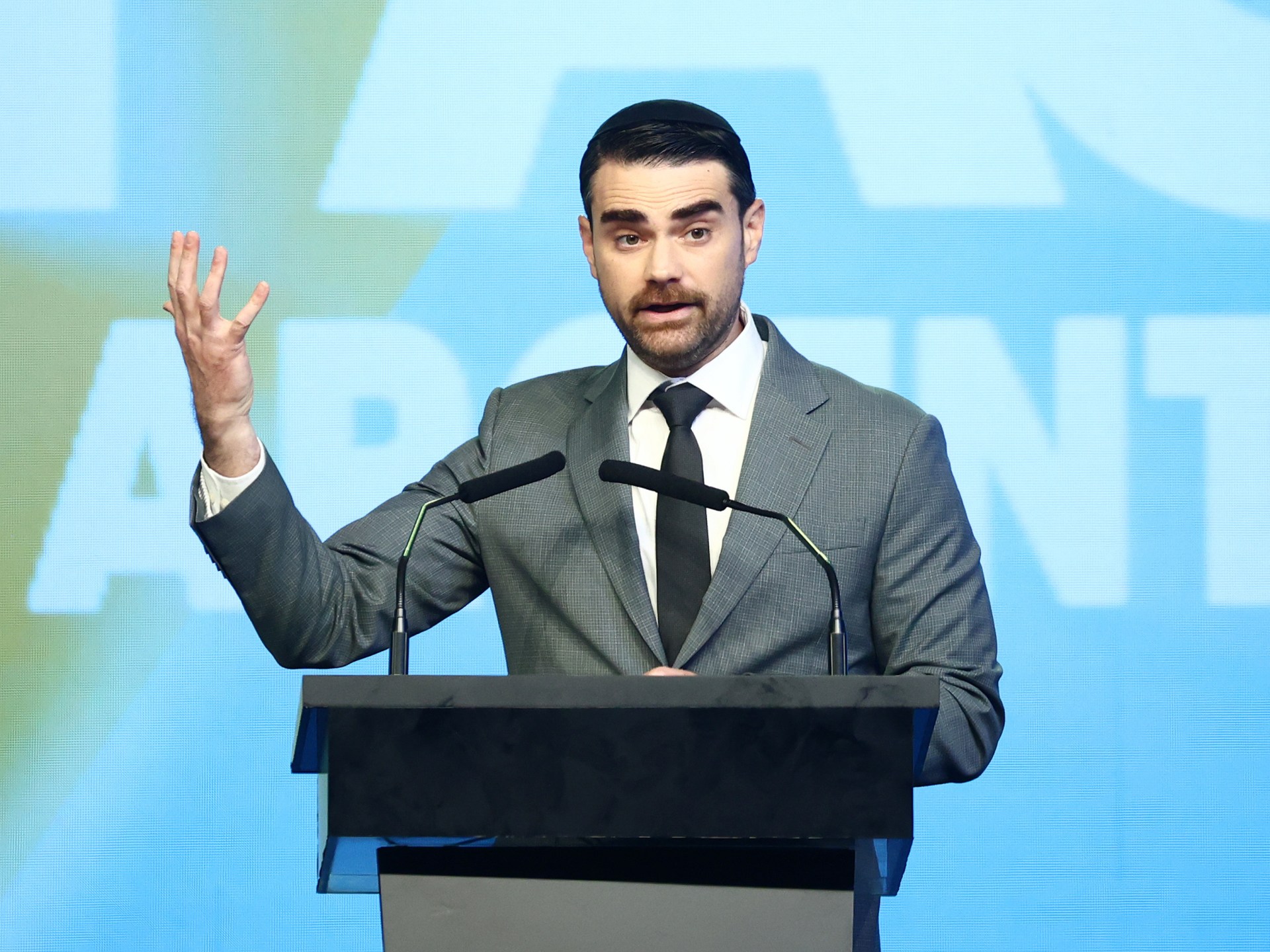
The film, produced by commentator Ben Shapiro, has faced criticism from analysts who contend it employs longstanding anti-Muslim narratives to frame critics of Israel's military campaign in Gaza as dangerous radicals. According to observers, the documentary relies on familiar stereotypical portrayals rather than examining the substantive arguments made by its subjects.
Media critics have noted that the film's approach mirrors messaging strategies deployed across multiple decades, suggesting a pattern rather than contemporary analysis. The framing of Gaza protest movements through the lens of religious extremism has drawn particular scrutiny from those who argue it conflates legitimate political dissent with radicalism.
The release of the documentary has prompted broader discussion about how political documentaries characterize opposing viewpoints. Analysts point to the film as an example of how established tropes can be repurposed in current political debates, particularly regarding Middle East policy and Gaza-related activism.
The controversy reflects ongoing tensions around how media outlets and content creators address the Israeli-Palestinian conflict, with critics arguing that reliance on religious stereotyping obscures rather than illuminates the complex policy disagreements underlying the debate.