World · India Bureau
Does Indian judiciary break pen nib after awarding death sentence?
A practice often depicted in films and television shows involves judges breaking their pen nibs after pronouncing capital punishment. But does this tradition actually occur in Indian courts, and is there a legal basis for it?
LSN India ·
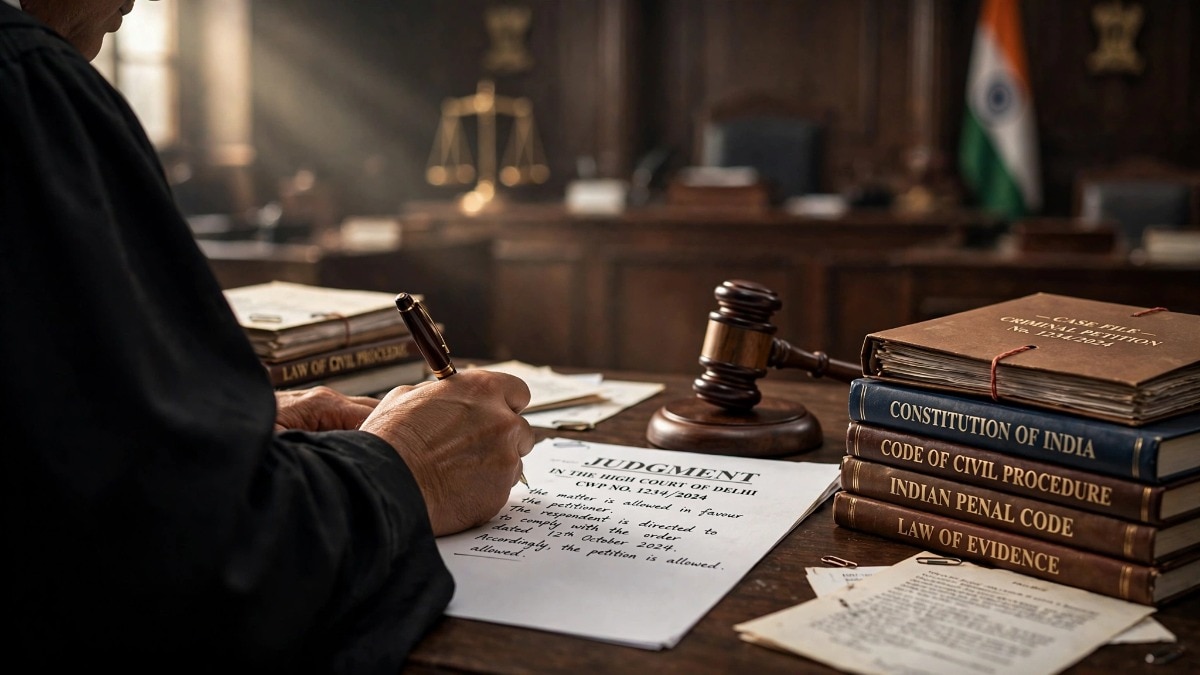
The dramatic image of a judge snapping the nib of their pen after sentencing someone to death has become a staple of courtroom fiction across Indian cinema and television. The act is typically portrayed as a symbolic gesture marking the gravity of the moment and the finality of the verdict. However, the reality within India's judicial system differs from these dramatized depictions.
While various judicial practices and courtroom protocols exist across Indian courts, the deliberate breaking of a pen nib following a capital sentence is not an established or mandated legal procedure. India's criminal justice system, governed by the Indian Penal Code and the Code of Criminal Procedure, contains no provision requiring judges to destroy their writing instruments after pronouncing death sentences.
The practice, if it occurs at all in isolated instances, would be an individual judge's personal gesture rather than a codified judicial rule. Indian courts operate under strict procedural guidelines, and all official actions by judges are governed by statutory requirements and established court procedures. The sentencing process itself is regulated by detailed legal protocols, but symbolic acts such as breaking pen nibs are not part of the formal framework.
This distinction between cinematic representation and actual judicial practice highlights how popular media often embellishes courtroom proceedings for dramatic effect. While Indian judges certainly maintain the solemnity and gravitas required when pronouncing capital punishment, they do so through the formal legal process rather than through ritualistic gestures portrayed in entertainment media.